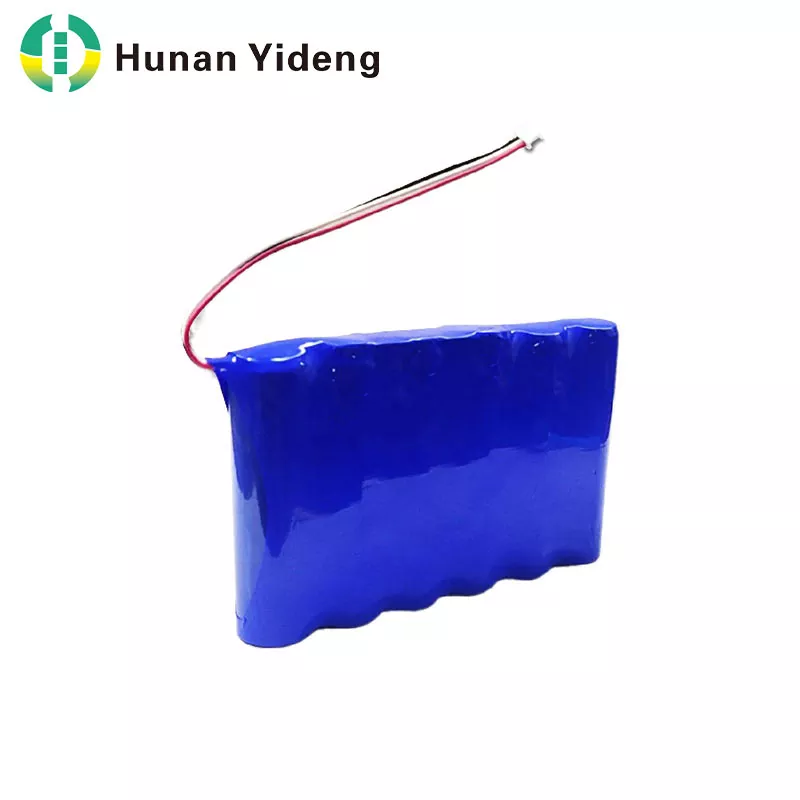
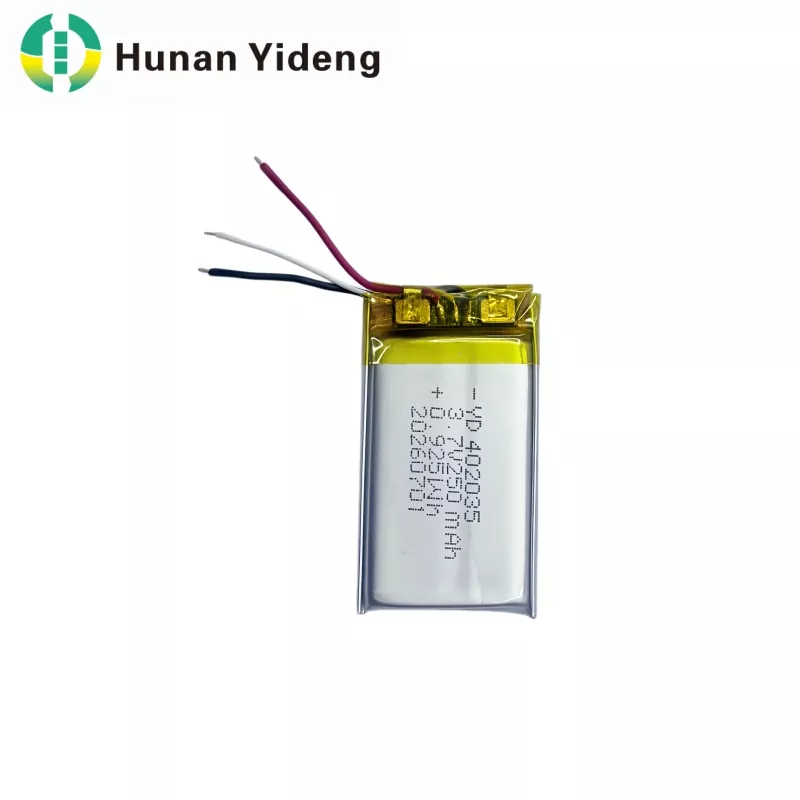
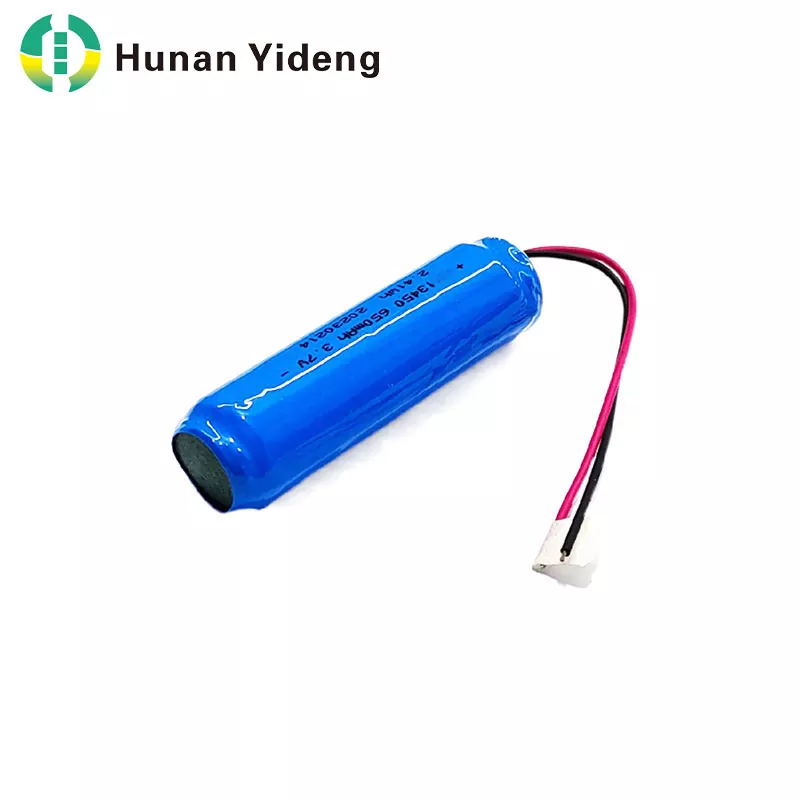
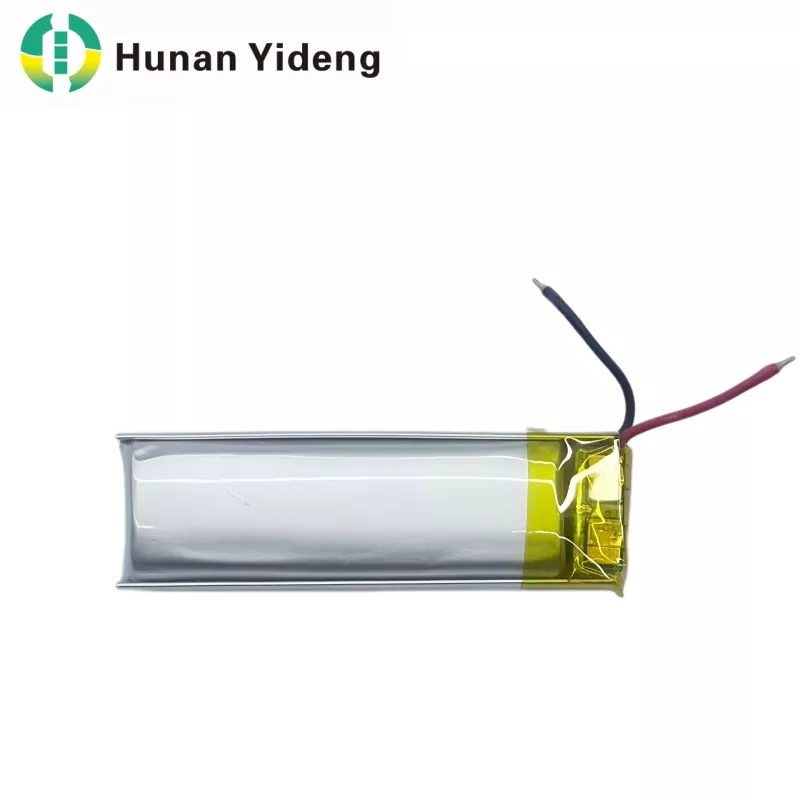
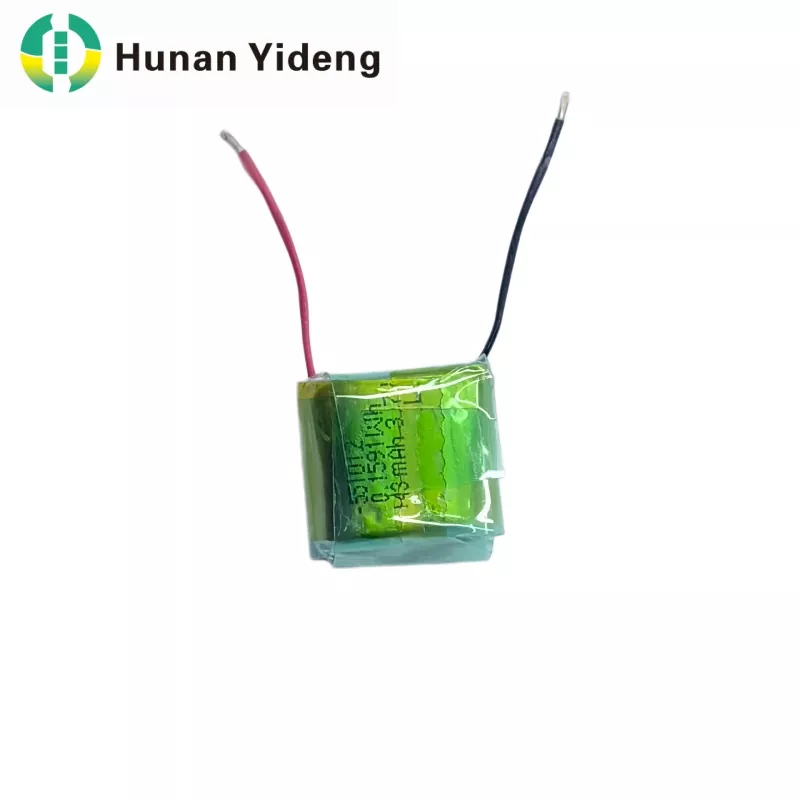
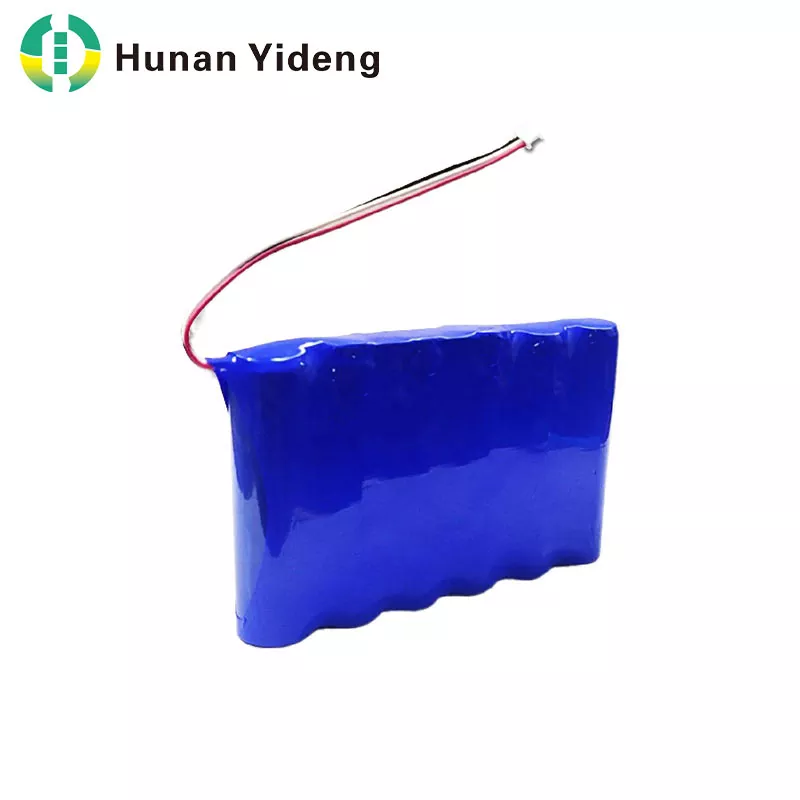
Yideng provides the 11.1V 4000mAh 18650 3S2P Long Life Rechargeable Li-ion Battery Pack for portable electronics, industrial equipment, monitoring systems, and customized power applications that require stable voltage, practical capacity, and rechargeable performance.
An 11.1V 4000mAh lithium-ion battery pack combines three series-connected groups of 18650 cells, with two cells connected in parallel within each group. This 3S2P configuration provides a nominal voltage of 11.1V, a rated capacity of 4000mAh, and approximately 44.4Wh of nominal energy. Its rechargeable design makes it a practical option for portable equipment, backup power systems, industrial monitoring devices, and other electronic products. Understanding its electrical specifications, protection requirements, charging conditions, and application compatibility helps equipment manufacturers select an appropriate battery solution. Yideng also supports customized battery pack development to meet different integration requirements.
An 11.1V 4000mAh rechargeable lithium-ion battery pack is a power source designed for electronic equipment that needs a higher operating voltage than a single lithium-ion cell can provide. It uses cylindrical 18650-format cells arranged in a specific electrical configuration to achieve the required voltage and capacity.
The numbers in the product name describe its primary characteristics:
This configuration contains six cells in total. The series connections increase the voltage, while the parallel connections increase the available capacity. When properly engineered, the resulting battery pack can offer a useful balance of voltage, runtime, and packaging flexibility.
For equipment developers, the important consideration is not simply the battery's nominal voltage. Compatibility also depends on current demand, charging requirements, available installation space, operating temperature, and protection circuitry.
Before choosing a battery for a commercial product or industrial system, buyers should review its rated electrical characteristics and confirm that the complete pack meets the application's requirements.
| Parameter | Specification | Practical Significance |
|---|---|---|
| Battery Model | 18650-3S2P | Identifies the cell format and arrangement |
| Battery Chemistry | Lithium-ion | Supports rechargeable power applications |
| Nominal Voltage | 11.1V | Helps determine electrical compatibility |
| Nominal Capacity | 4000mAh / 4Ah | Indicates the rated charge capacity |
| Nominal Energy | 44.4Wh | Provides a basis for estimating runtime |
| Cell Configuration | 3S2P | Six cells arranged in three series groups |
| Maximum Charging Current | 1C, subject to the product specification | Defines the permitted upper charging rate |
| Charging Temperature | 0°C to 50°C | Defines the specified charging environment |
| Discharging Temperature | -20°C to 60°C | Defines the specified discharge environment |
| Cycle Life | See the manufacturer's stated test conditions | Supports service-life and replacement planning |
Important: The values above are based on the product information published by Yideng. Charging limits, discharge limits, and temperature conditions must be confirmed against the latest datasheet for the exact battery configuration. A maximum current rating should never be treated as a recommended continuous operating current without verification.
Nominal energy can be estimated by multiplying nominal voltage by rated capacity:
11.1V × 4Ah = 44.4Wh
This value helps engineers estimate the amount of energy available for an application. For example, a device drawing an average of 10W would theoretically operate for approximately 4.44 hours at the nominal energy rating. Actual runtime will usually be lower or otherwise different because of conversion losses, discharge limits, temperature, battery aging, and changes in power demand.
The 3S2P arrangement is useful when a device requires a nominal voltage of approximately 11.1V and a capacity of 4000mAh. It combines the electrical advantages of series and parallel connections in one compact battery assembly.
In a three-series arrangement, the nominal voltages of the three cell groups add together. Using conventional 3.7V nominal lithium-ion cells, the resulting nominal pack voltage is 11.1V. This is suitable for electronic systems designed around this voltage range, provided that their full operating-voltage requirements are satisfied.
Each series group contains two parallel-connected cells. With appropriately matched cells, parallel connections increase the available capacity compared with a single cell. The assembled pack can therefore provide 4000mAh while maintaining the intended nominal voltage.
Unlike disposable batteries, rechargeable lithium-ion packs can be reused through multiple charging cycles. Their practical service life depends on charging habits, discharge depth, temperature, current demand, storage conditions, and the quality of the cell and battery management system.
A battery pack can be designed with different cable lengths, connectors, protective housings, and installation arrangements. These options help product designers adapt the power source to the physical and electrical requirements of their equipment.
The 11.1V 4000mAh battery configuration can support a wide range of applications when its voltage, discharge current, dimensions, and environmental ratings match the equipment design.
Application suitability must be established through electrical and mechanical evaluation. Devices with high startup currents, motors, radio transmitters, or heating elements may require a battery with a different discharge rating or additional thermal considerations.
For product developers comparing battery architectures, Yideng's lithium battery solutions provide a starting point for evaluating rechargeable battery options and customization requirements.
Choosing a battery based only on its voltage and capacity can lead to integration problems. Buyers should evaluate the complete operating profile of the equipment before confirming a purchase.
Check the device's nominal voltage and allowable input range. A battery's nominal voltage is not its voltage at every stage of charging or discharging. The equipment must tolerate the pack's full specified voltage range.
Estimate average power consumption and the required operating time. As a preliminary calculation, divide nominal battery energy by average device power. Apply a suitable allowance for conversion losses, reserve capacity, temperature effects, and battery aging.
Compare the equipment's normal operating current and startup current with the battery pack's approved discharge limits. Confirm that the cells, wiring, connectors, protection board, and enclosure can handle the required load.
Confirm the maximum permitted battery dimensions and weight. Connector type, polarity, cable length, mounting points, and enclosure design should also be checked before mass production.
Review the expected number of charge and discharge cycles under defined test conditions. Consider ambient temperature, charging frequency, storage duration, vibration, and the consequences of an unexpected power interruption.
For procurement teams, the following checklist can simplify supplier discussions:
Correct charging and handling practices are essential for maintaining lithium-ion battery performance. Although a battery protection circuit can reduce specific electrical risks, it does not eliminate the need for suitable system design and careful operation.
Select a charger designed for the exact battery chemistry, series configuration, and charging-voltage limit. A conventional three-series lithium-ion pack typically uses a 12.6V charging limit when its cells have a 4.2V maximum charge voltage. Confirm this value in the battery's approved datasheet before use.
Follow the manufacturer's specified charging and discharging temperature ranges. Avoid charging a battery outside its permitted range, placing it near heat sources, or leaving it exposed to direct sunlight in an enclosed environment.
A suitable battery management system or protection circuit may provide functions such as overcharge protection, over-discharge protection, overcurrent protection, and short-circuit protection. Cell balancing and temperature monitoring should be considered according to the design and application.
Battery manufacturers and equipment designers should also evaluate applicable transportation, product safety, and end-use requirements before shipping or deploying a battery-powered product.
Standard battery packs may not fit every equipment design. OEM customization allows manufacturers to align the battery's electrical characteristics and physical structure with the product's installation requirements.
Yideng's product information describes customized battery pack development for customers who need application-specific power solutions. Depending on the project and engineering review, customization discussions may cover:
These measures help purchasing teams evaluate more than the initial unit price. Consistent specifications, appropriate protection, traceable test results, and a clear customization process can reduce integration issues during production.
Before placing a bulk order, request the current datasheet and confirm which quality checks, safety documents, and shipping records are available for the specific model. Certifications and test reports should be verified against the exact product and intended market rather than assumed from the battery chemistry alone.
3S2P means three cell groups are connected in series, with two cells connected in parallel in each group. The configuration uses six cells in total. Series connections increase voltage, while parallel connections increase capacity.
Its nominal energy is approximately 44.4Wh, calculated by multiplying 11.1V by 4Ah. Actual usable energy depends on discharge conditions, system efficiency, battery condition, and the permitted discharge cutoff.
No. The charger must match the battery's chemistry, series configuration, charging-voltage limit, and current requirements. For a conventional three-series lithium-ion pack with 4.2V maximum-charge cells, the typical charging limit is 12.6V. Verify the exact specification before connecting a charger.
Runtime depends on the device's average power consumption. A preliminary estimate is 44.4Wh divided by the device's power consumption in watts. For example, a 10W load gives a theoretical estimate of 4.44 hours before accounting for losses and other operating factors.
No. All rechargeable lithium-ion batteries gradually lose capacity through use and aging. Service life depends on temperature, charging conditions, discharge depth, current demand, storage, and the battery's construction. Ask the supplier for cycle-life test conditions and the stated end-of-life capacity criterion.
Yideng describes OEM and ODM customization services for battery packs, including connector selection, cable length, battery configuration, and housing design. Confirm the available options, sample process, and technical feasibility with the company before ordering.
Confirm the electrical specifications, dimensions, discharge requirements, protection functions, charging compatibility, sample test results, production lead time, and applicable shipping documentation. Request model-specific technical documents before approving the final production specification.
An 11.1V 4000mAh 18650 3S2P rechargeable lithium-ion battery pack offers a nominal energy rating of 44.4Wh and a practical configuration for compatible portable and industrial electronic equipment. Its suitability depends on matching voltage, capacity, current demand, charging conditions, dimensions, and protection requirements to the intended application.
For businesses developing battery-powered products, a dependable sourcing process should include technical review, sample validation, safety evaluation, and clear production specifications. Yideng provides a starting point for exploring standard and customized lithium battery pack solutions. If you are planning a new product or need a battery pack tailored to your equipment, review the product details and contact us to discuss your voltage, capacity, connector, housing, and order requirements. Yideng can help you evaluate the appropriate battery configuration for your project.