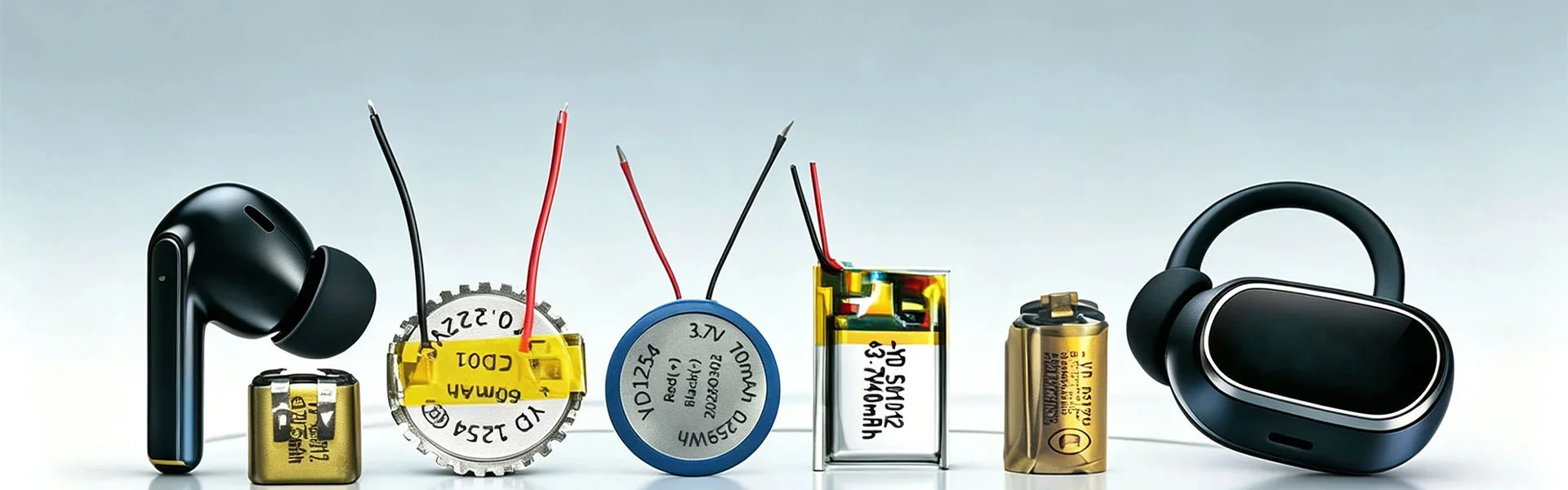
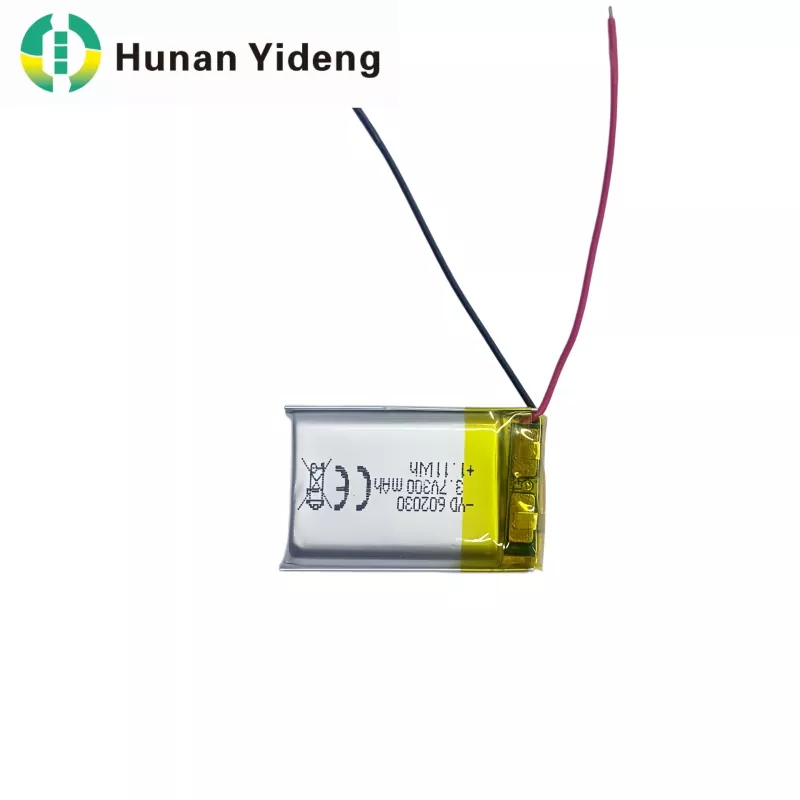
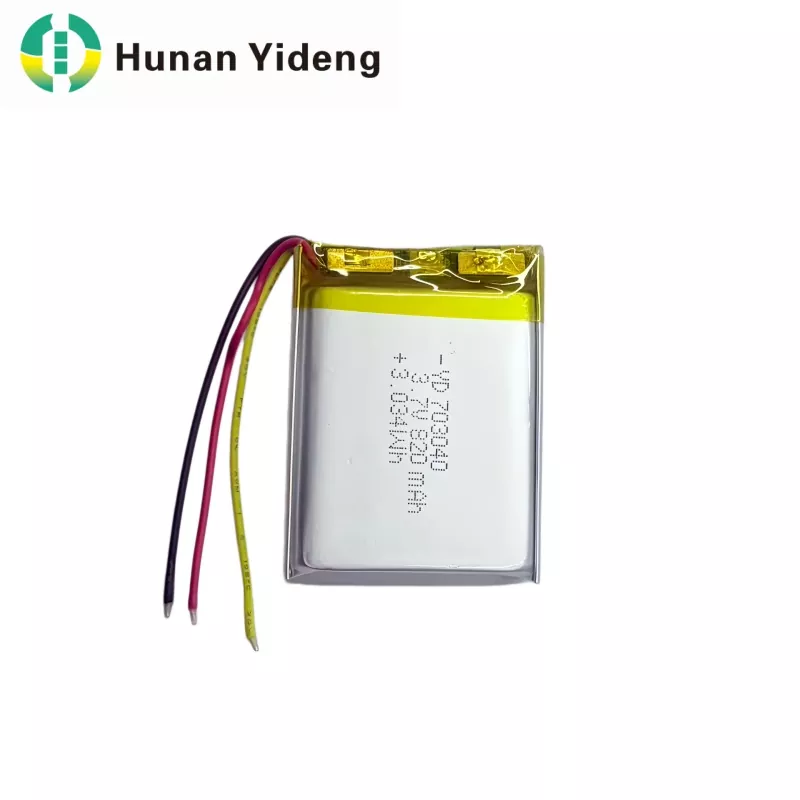
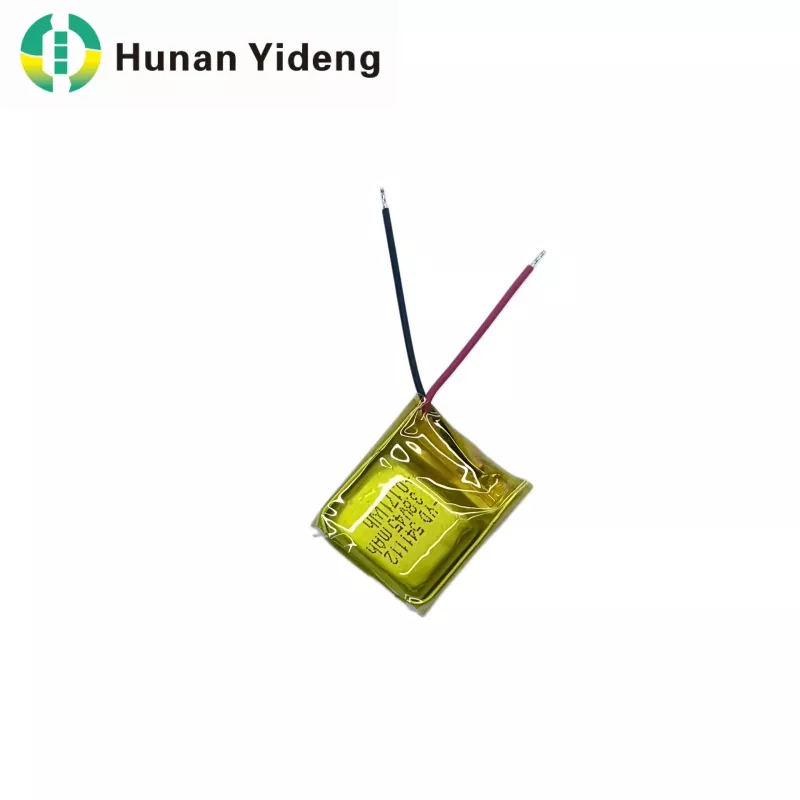
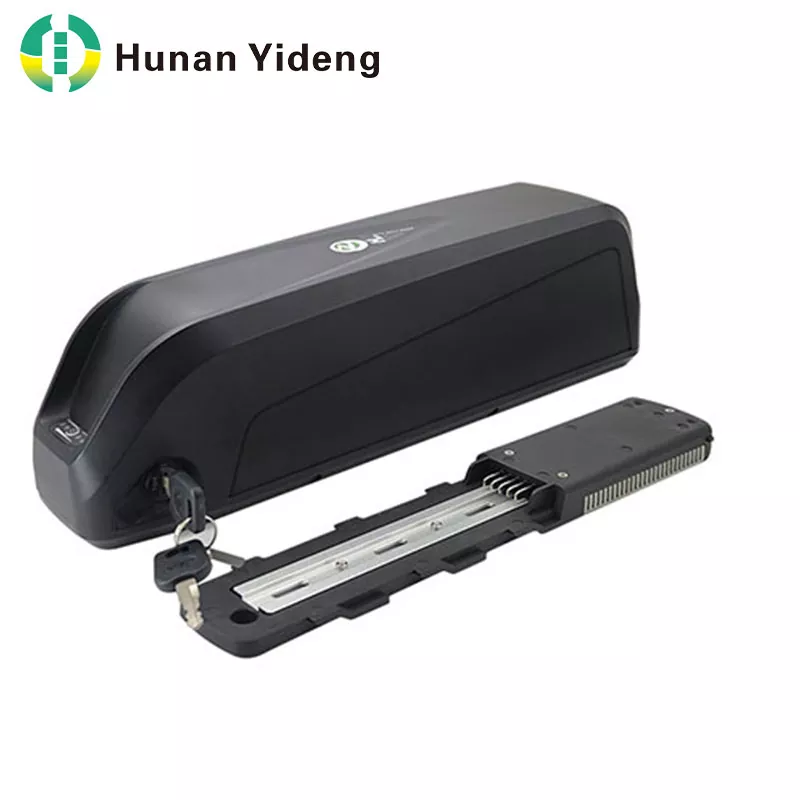
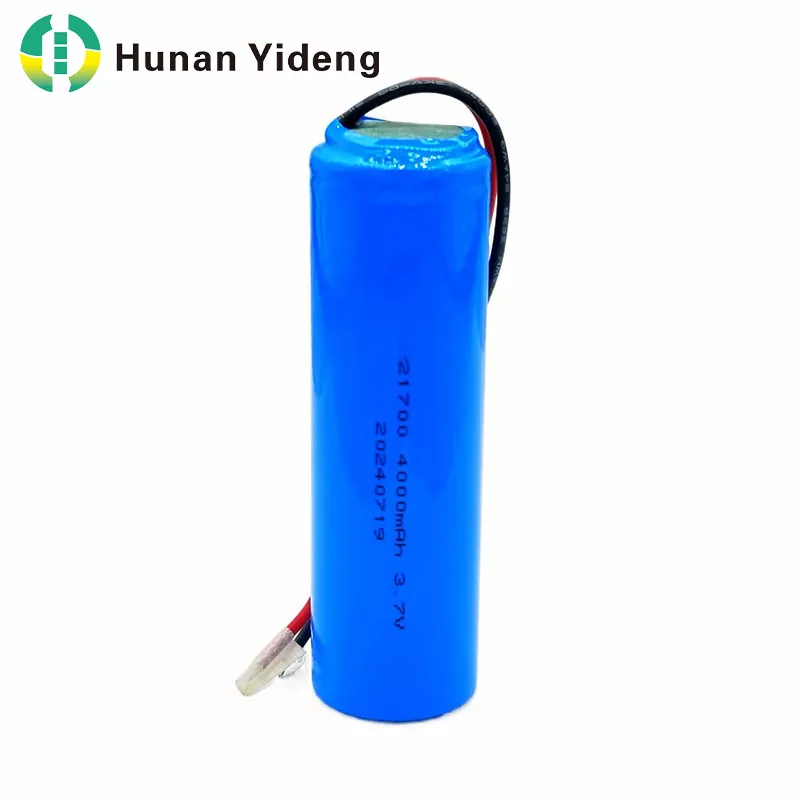
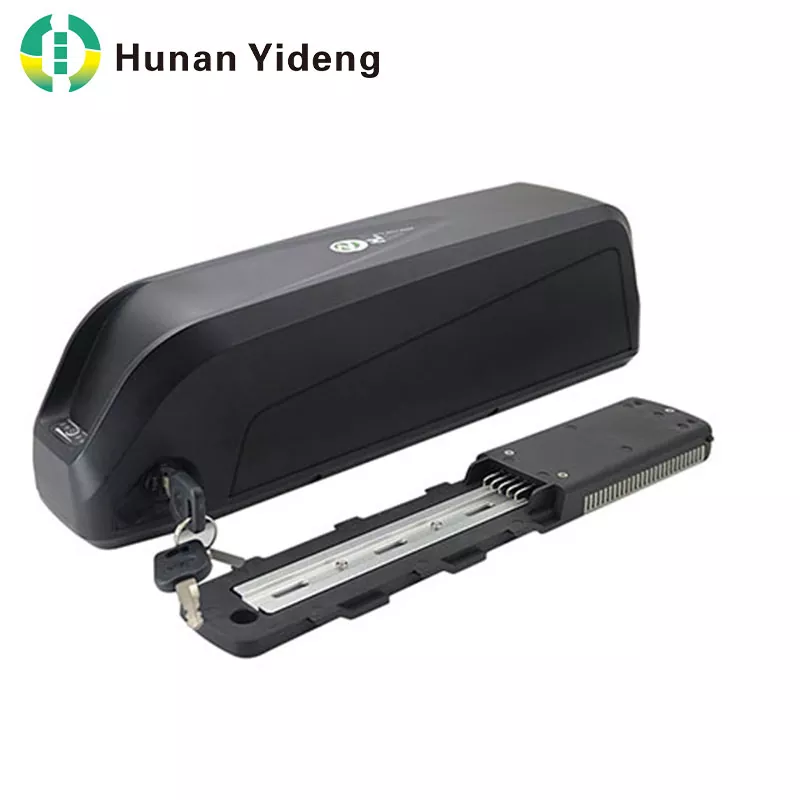
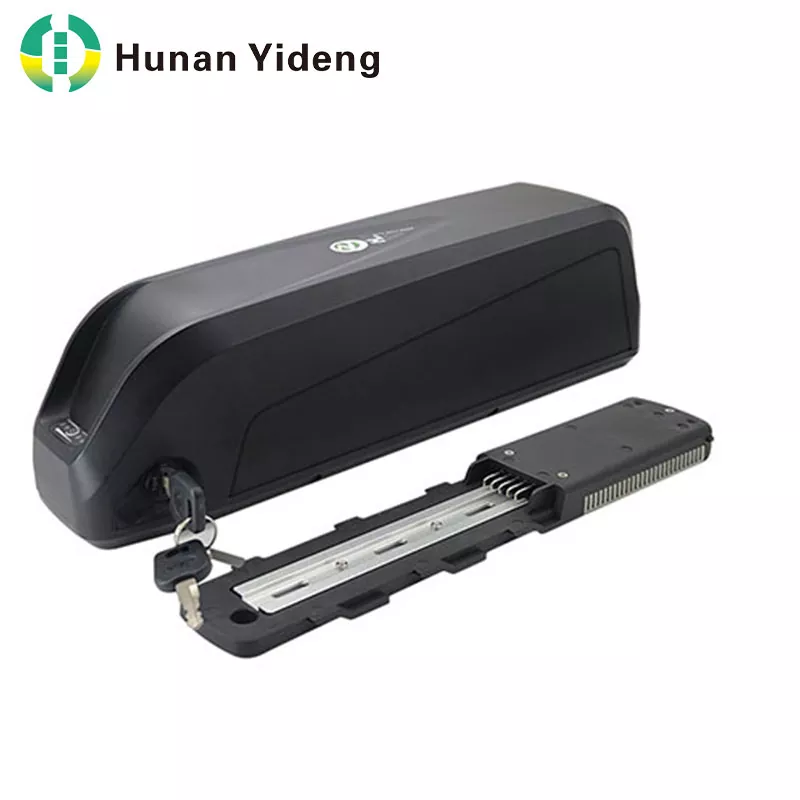
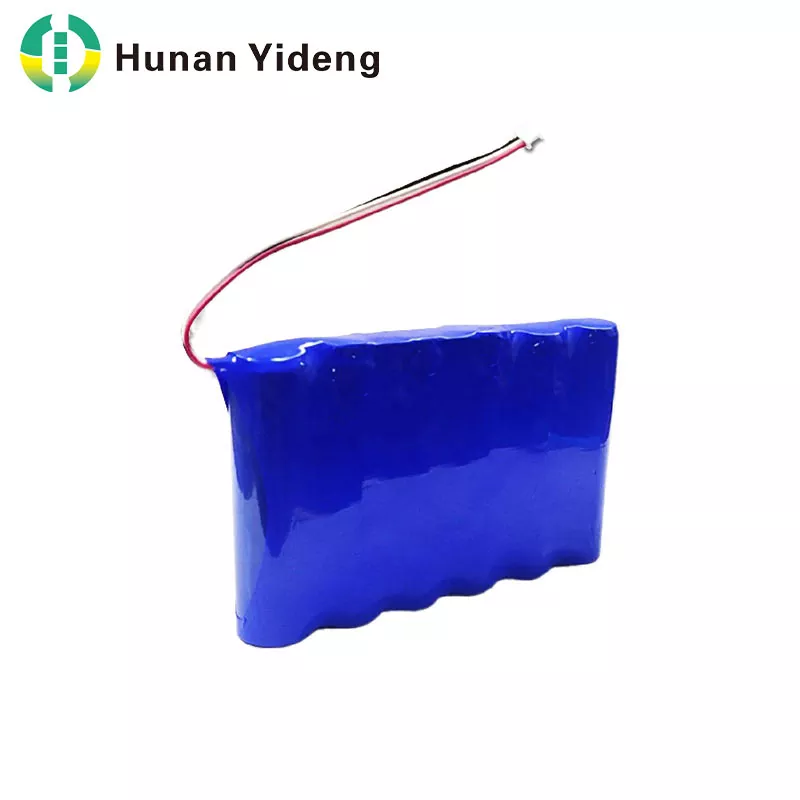
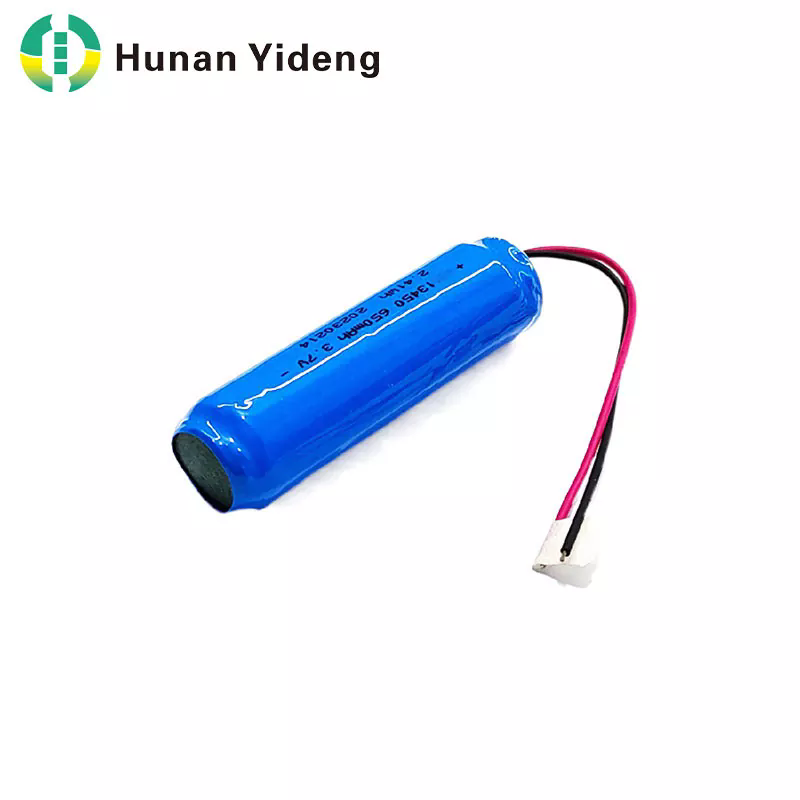
For engineers, procurement managers, and system integrators, a dependable Lithium Ion Battery Cell and Pack solution must deliver precise electrical performance, mechanical robustness, and long-term operational safety. Yideng designs and manufactures both individual lithium ion cells and fully integrated battery packs to serve electric vehicles, solar energy storage, marine systems, medical devices, telecom backup, and industrial automation.
The Yideng product line covers cylindrical, prismatic, and pouch cells, as well as custom-engineered battery packs with smart battery management systems. Each cell and pack is tested under real-world load profiles to verify capacity, cycle life, and thermal stability. Yideng combines cell-level precision with pack-level engineering to reduce integration risk and shorten time to market.
Frequently Asked Questions
Q: What is the difference between a lithium ion battery cell and a pack?
A: A Lithium Ion Battery Cell and Pack is the basic electrochemical unit that stores and releases energy, consisting of an anode, cathode, separator, and electrolyte. A pack combines multiple cells in series and parallel, plus a battery management system, busbars, thermal interface materials, an enclosure, connectors, and sometimes a cooling system.
Q: How do I choose the right cell chemistry for my application?
A: Start with your operating profile. If you need high energy density for long runtime in a compact space, NMC cells are the best fit. If cycle life and thermal stability are more important than weight, LiFePO4 cells are recommended, especially for stationary storage, marine, and medical equipment. If your application requires extremely high cycle life, fast charging, or low-temperature operation, LTO cells are a strong choice despite lower energy density.
Q: Can Yideng customize pack dimensions, voltage, and BMS communication?
A: Yes. Yideng offers custom pack development from cell selection through full system integration. The engineering team can adjust series and parallel configuration to match your target voltage and capacity.
Q: What temperature range is recommended for storage and operation?
A: Most Yideng NMC and LiFePO4 cells should be charged between 0 °C and 45 °C and discharged between -20 °C and 60 °C. LTO cells can be charged down to -30 °C and discharged at -40 °C. For long-term storage, keep cells and packs at 20 °C to 25 °C, at 40% to 60% state of charge, and in a dry environment below 65% relative humidity.
Q: How should I transport and dispose of lithium ion battery cells and packs?
A: Transport must comply with UN38.3 and applicable dangerous goods regulations. Cells and packs should be shipped at a reduced state of charge, typically below 30%, with terminals insulated and packaging that prevents short circuits and crushing. For disposal, lithium ion batteries must be sent to certified recycling facilities. Never incinerate or puncture cells, as this can cause thermal runaway.