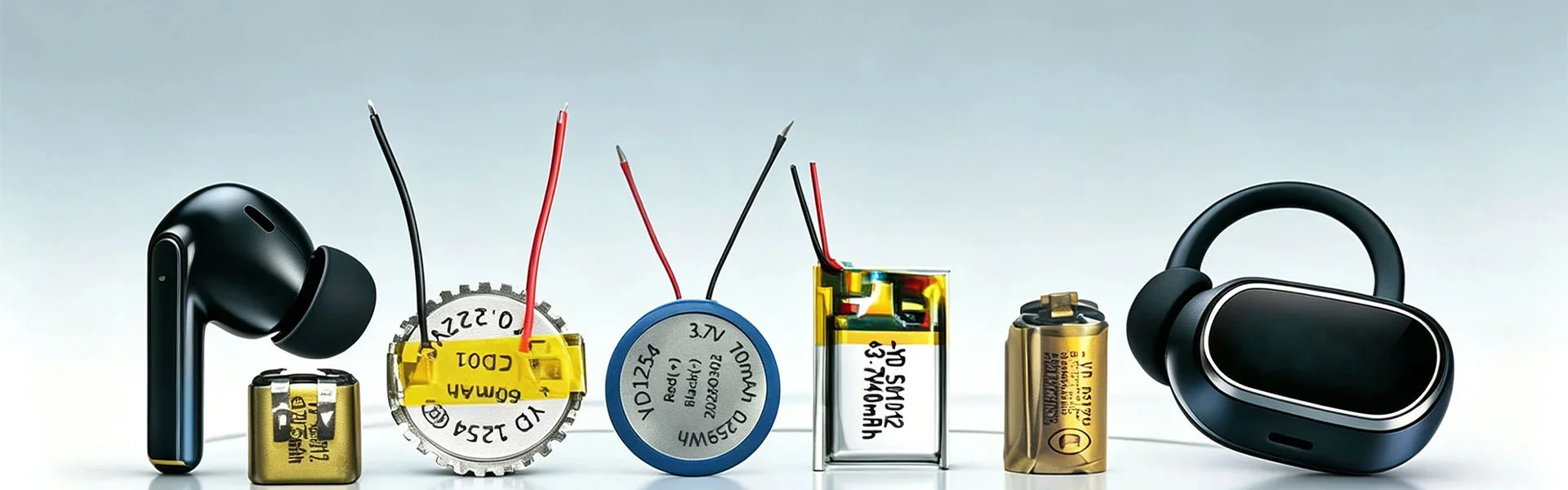
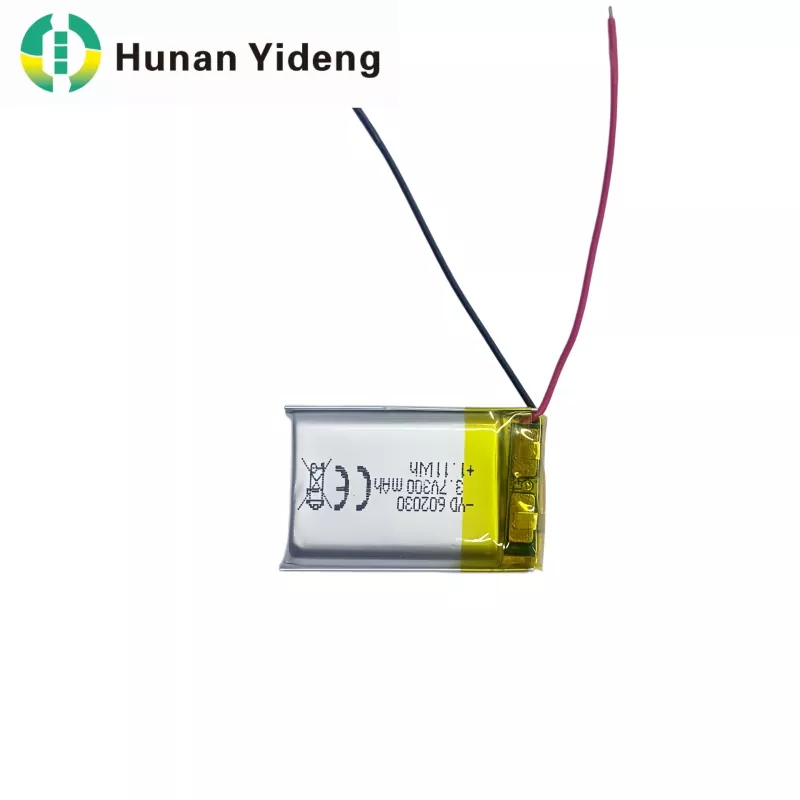
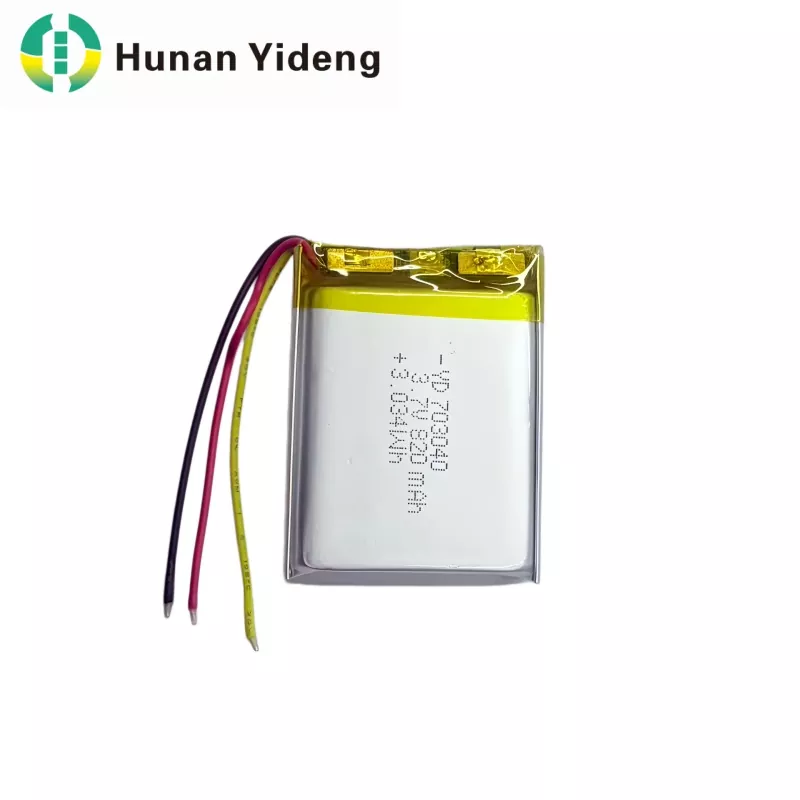
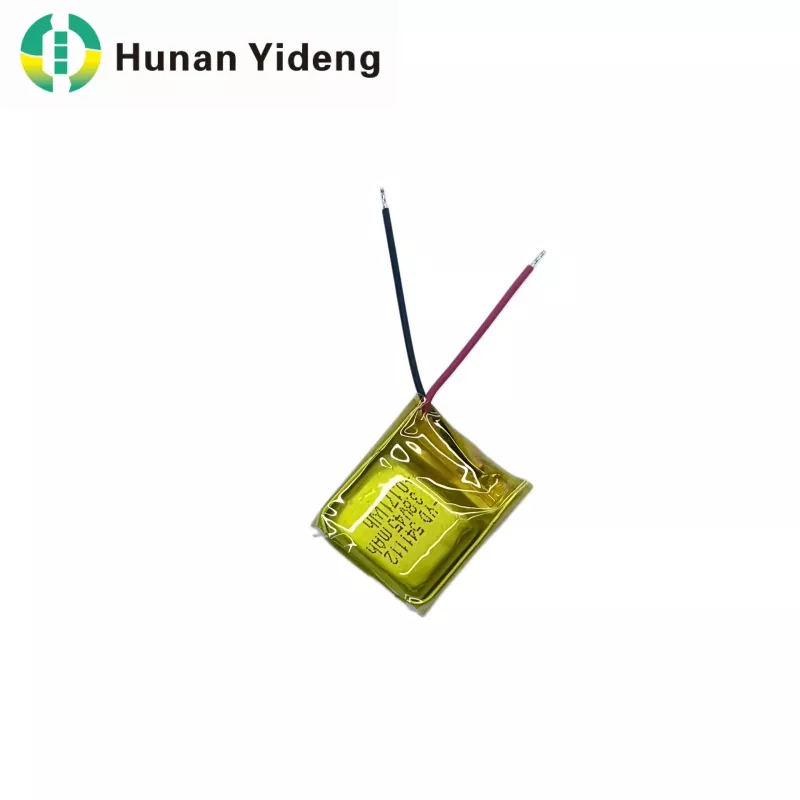
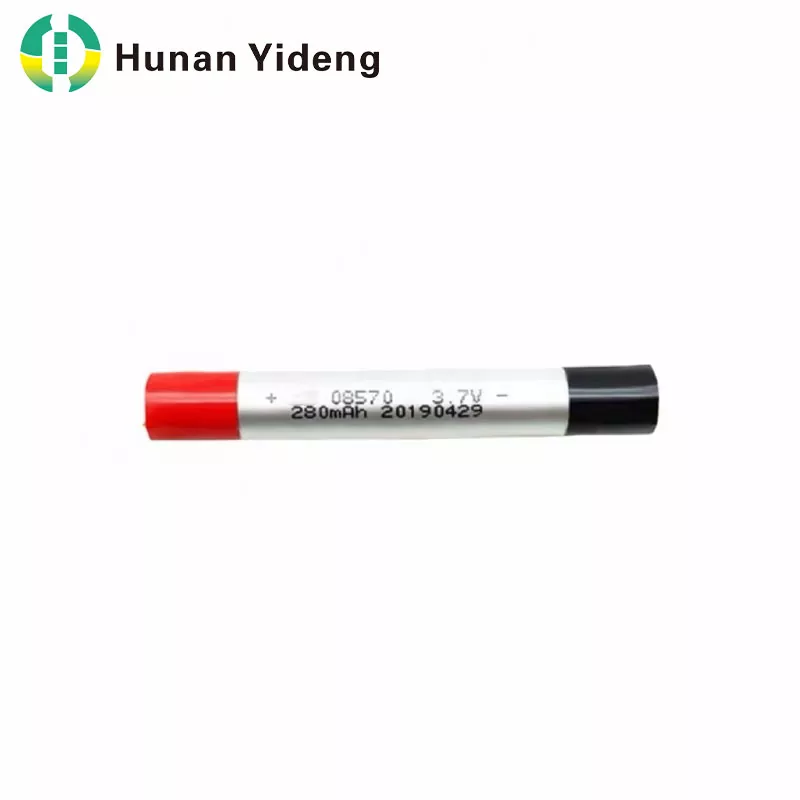
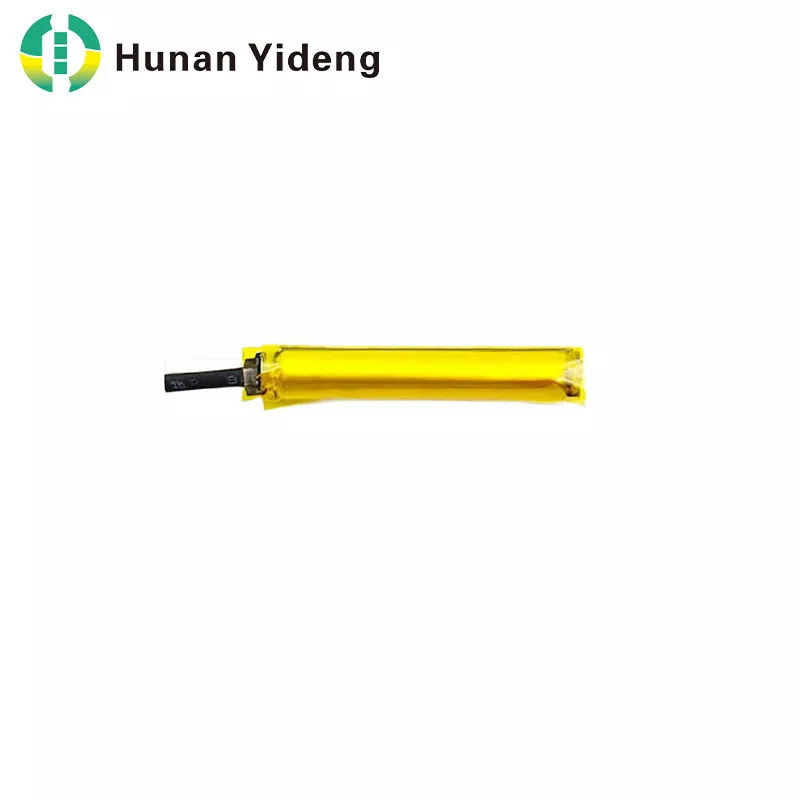
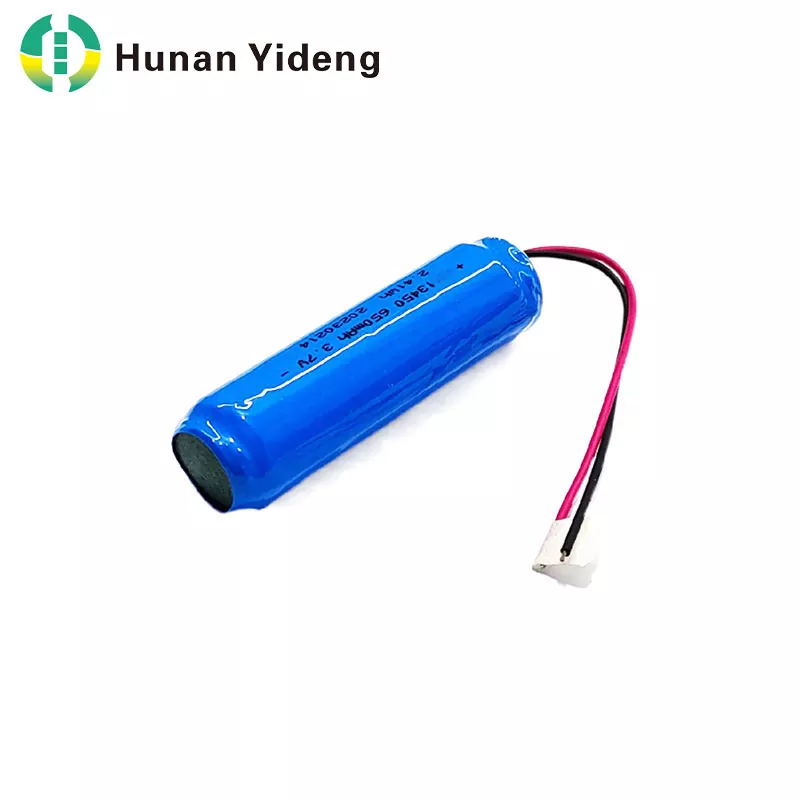
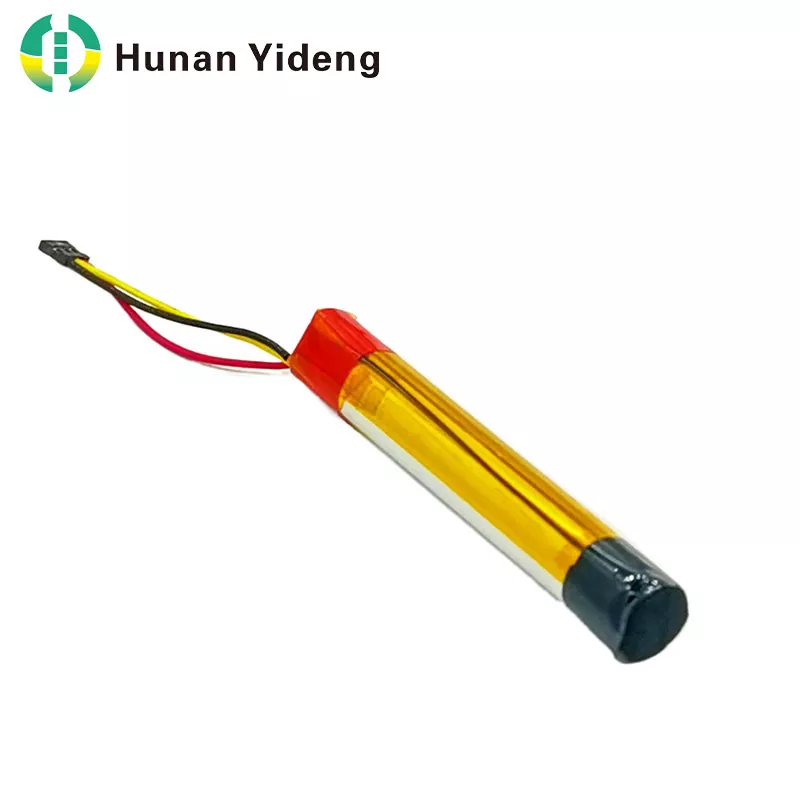
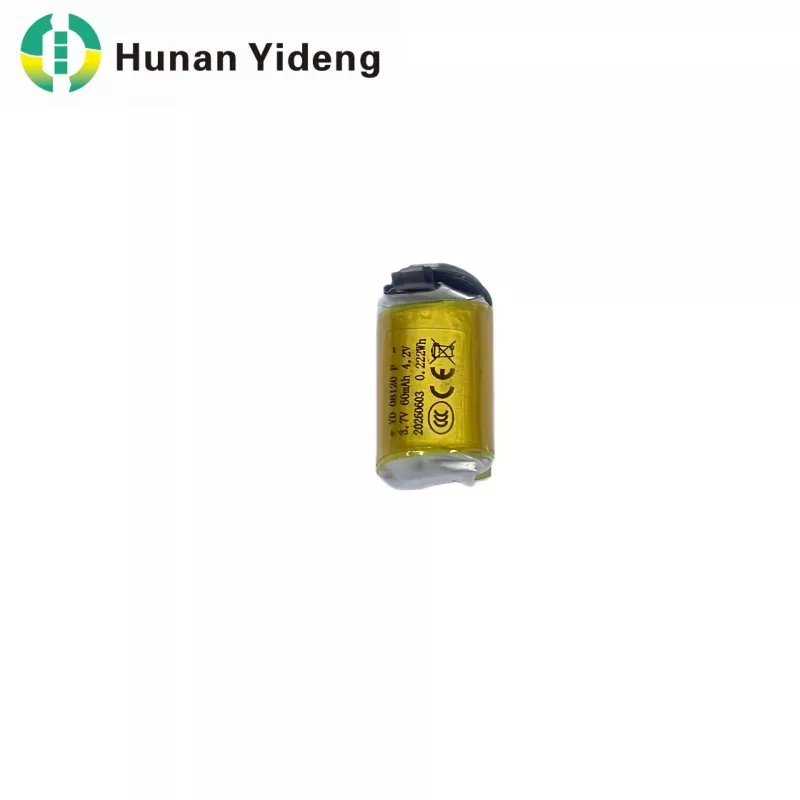
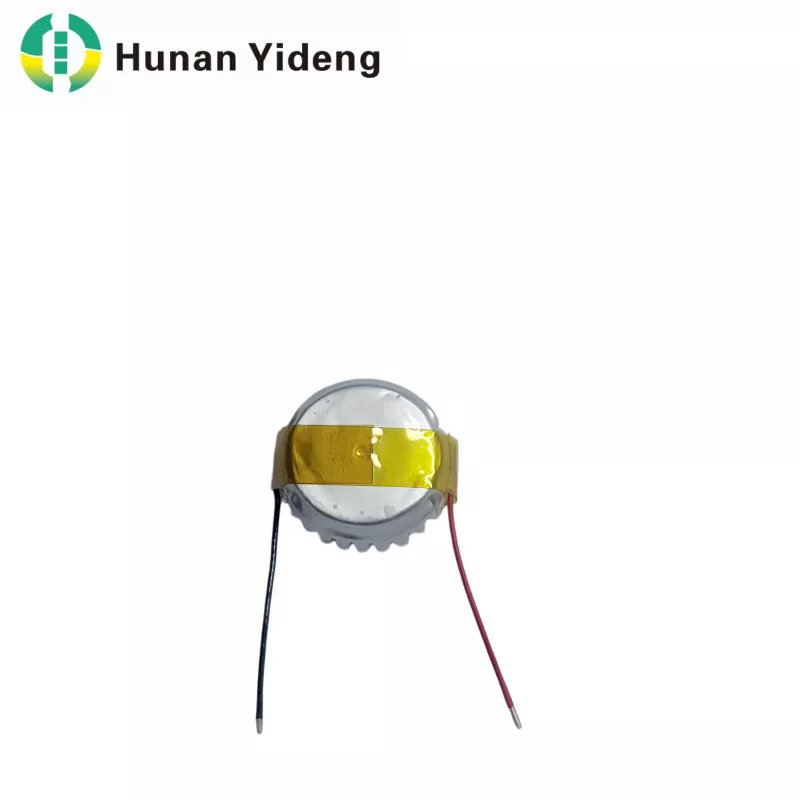
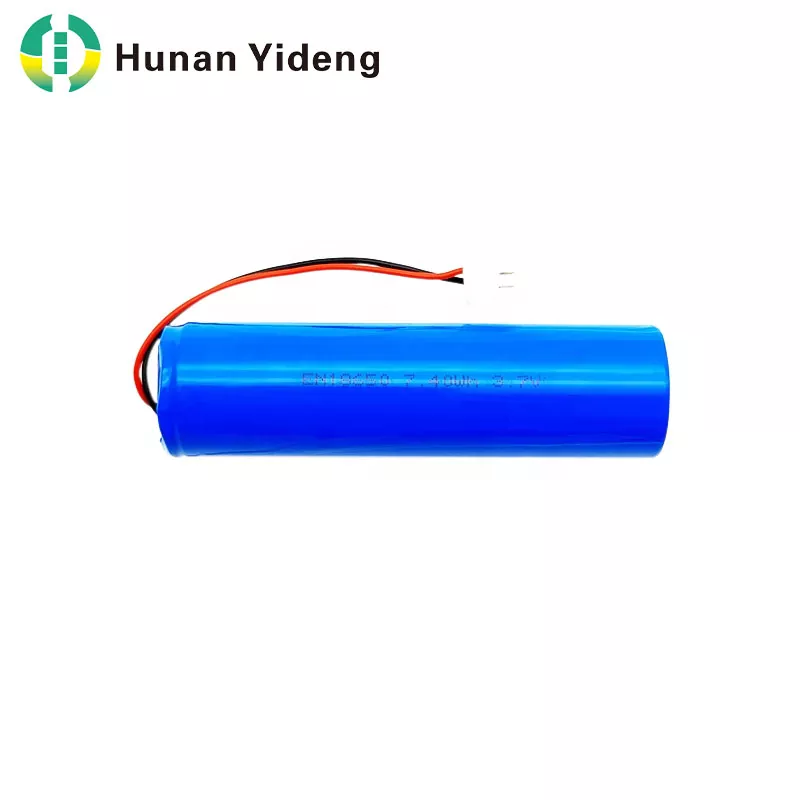
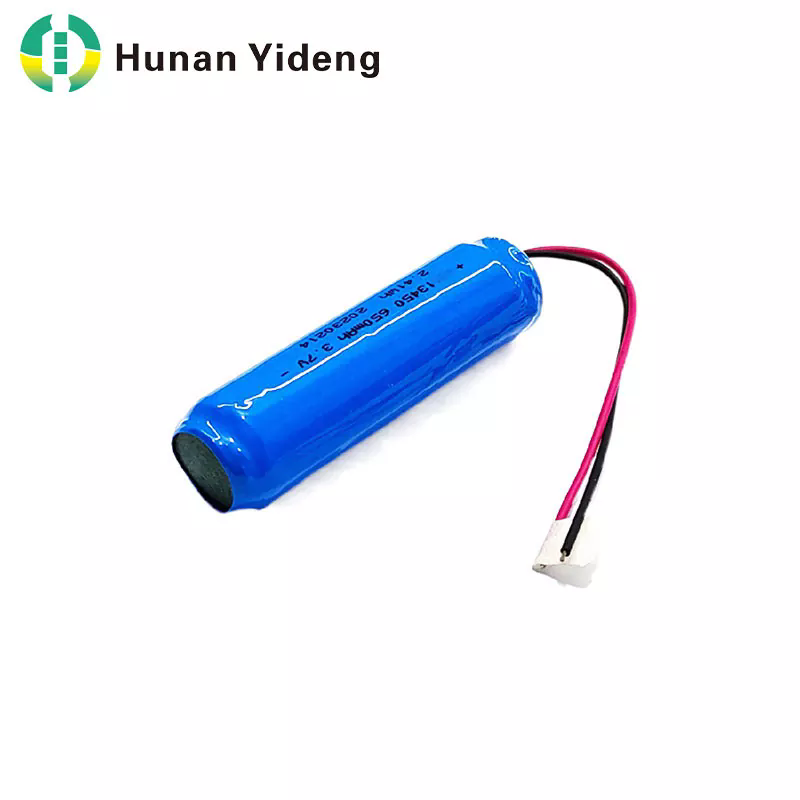
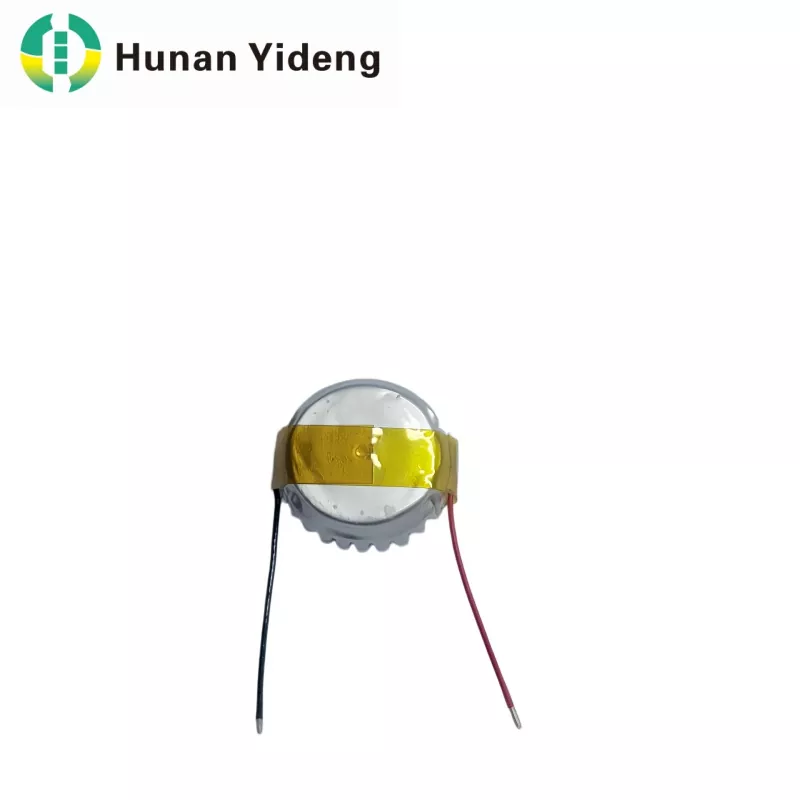
The Li Polymer Cylindrical Battery is a rechargeable energy storage cell that combines a polymer electrolyte structure with a cylindrical form factor. This design delivers stable discharge performance, high energy density, and reliable mechanical integrity across a wide range of portable and industrial applications. Yideng has developed a full line of Li Polymer Cylindrical Battery products that address specific requirements in consumer electronics, medical devices, power tools, smart meters, and backup power systems. The cylindrical polymer construction reduces the risk of electrolyte leakage, supports efficient thermal distribution, and simplifies battery pack assembly for engineers and product designers.
Safety Features and Certifications
Yideng integrates multiple safety mechanisms into every Battery. The positive temperature coefficient device, current interrupt device, and safety vent work together to protect against overcurrent, overvoltage, and internal pressure build-up. The polymer electrolyte itself has higher thermal stability than conventional liquid electrolytes, which reduces the risk of thermal runaway under abuse conditions.
Each cell is tested according to the following standards:
-
UN 38.3 for transport safety
-
IEC 62133-2 for portable sealed secondary cells
-
UL 1642 for lithium batteries
-
CB scheme for international electrical safety
-
RoHS and REACH for restricted substances
Yideng also performs in-house nail penetration, overcharge, forced discharge, short circuit, and thermal shock tests. The nail penetration test is conducted at 25°C with a 3 mm steel nail at 25 mm/s speed. The cell must not ignite or explode. The overcharge test applies 12 V at 1C for 2.5 hours. The cell must remain intact without smoke or fire. These test results are documented in the product qualification report available to OEM customers.
Integration and Handling Guidelines
Proper integration is essential to achieve the rated performance of a Li Polymer Cylin/about.htmldrical Battery. Use a battery management system or protection circuit module that monitors voltage, current, and temperature. The protection circuit should disconnect the cell at 2.75 V under discharge, 4.20 V under charge, and above 70°C surface temperature. Avoid placing cells in direct contact with hot components such as processors, motors, or heat sinks.
During pack assembly, do not apply excessive force to the cell terminals. Spot welding nickel strips should be performed with controlled energy and duration to avoid overheating the polymer separator. The recommended nickel strip thickness is 0.1 mm to 0.2 mm for cell interconnections. Yideng provides ultrasonic welding and laser welding compatibility data for all cell models. Cells should be sorted by capacity, internal resistance, and voltage before assembling multi-cell packs. The maximum voltage difference in a series pack should be less than 50 mV after balancing.
Storage guidelines are equally important. Store cells in a cool, dry location at 10°C to 25°C and 50% relative humidity. For long-term storage, maintain the state of charge between 30% and 50%. Recharge to 50% every six months to prevent over-discharge and capacity degradation. Do not store cells near conductive materials, open flames, or sources of static electricity.
Frequently Asked Questions
Q: What is the difference between a Li Polymer Cylindrical Battery and a standard cylindrical Li-ion battery?
A: A Li Polymer Cylindrical Battery uses a polymer electrolyte instead of a liquid electrolyte. The polymer electrolyte can be a gel, porous membrane, or solid composite that immobilizes the lithium salt. This reduces the amount of free-flowing liquid inside the cell.
Q: What is the cycle life ?
A: It is rated for 500 cycles at 0.5C charge and 1C discharge with 80% capacity retention. A full cycle is defined as charging to 4.20 V and discharging to 2.75 V at 25°C. High-rate variants with 5C discharge capability are rated for 300 cycles under the same depth of discharge.
Q: Can I use a Li Polymer Cylindrical Battery in a high-drain device?
A: Yes, but you need to select the correct high-rate model. The YLP-18650HP and YLP-16340 series are designed for high-drain loads with maximum continuous discharge ratings of 5C and 3C respectively. High-drain devices such as power tools, motors, and drones draw current in pulses.
Q: Are this products certified for international shipping?
A: Yes. EveryBattery model is certified to UN 38.3 for air, sea, and ground transport. The test summary document is available on request.
Q: Can Yideng customize the dimensions or electrical characteristics?
A: Yes, Yideng offers custom development for qualified OEM projects. The engineering team can adjust diameter from 8 mm to 32 mm, height from 20 mm to 70 mm, capacity, discharge rate, terminal type, and casing material.
Quality Control at Yideng
Yideng applies a multi-stage quality control system to every Li Polymer Cylindrical Battery batch. Incoming materials are inspected for coating thickness, moisture content, and impurity levels. Electrode winding is performed in a dry room with dew point below -40°C. After assembly, cells undergo formation, aging, and grading. Each cell is automatically scanned for internal resistance, open circuit voltage, and capacity. Cells that fall outside the specified tolerance band are rejected. Yideng also performs a weekly reliability audit of production cells, including high-temperature storage, cycle life spot checks, and abuse tests. The quality team maintains full traceability from raw material lot to finished cell, allowing rapid root cause analysis if a field issue occurs.