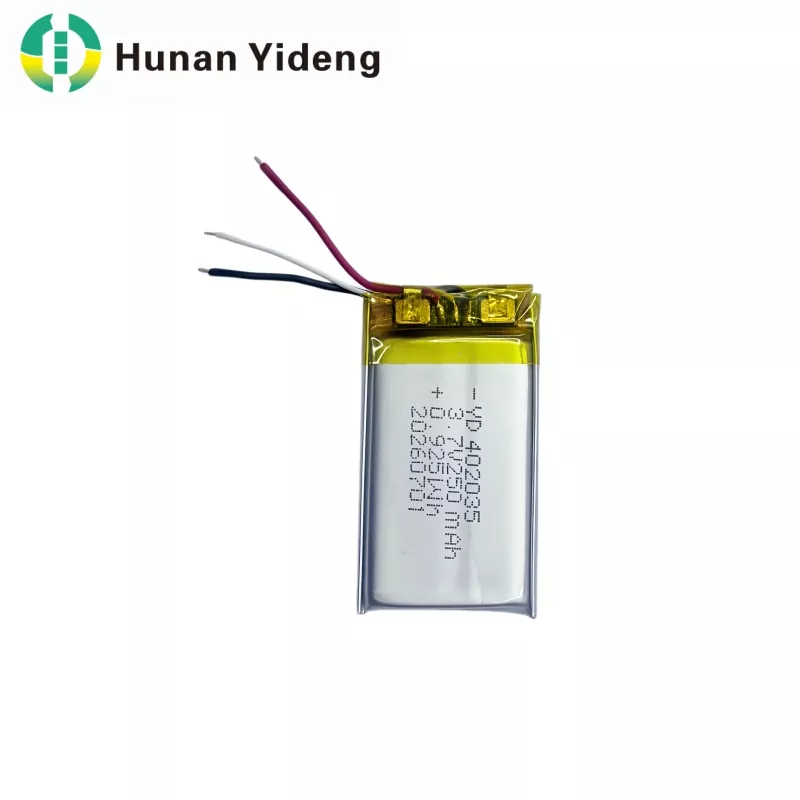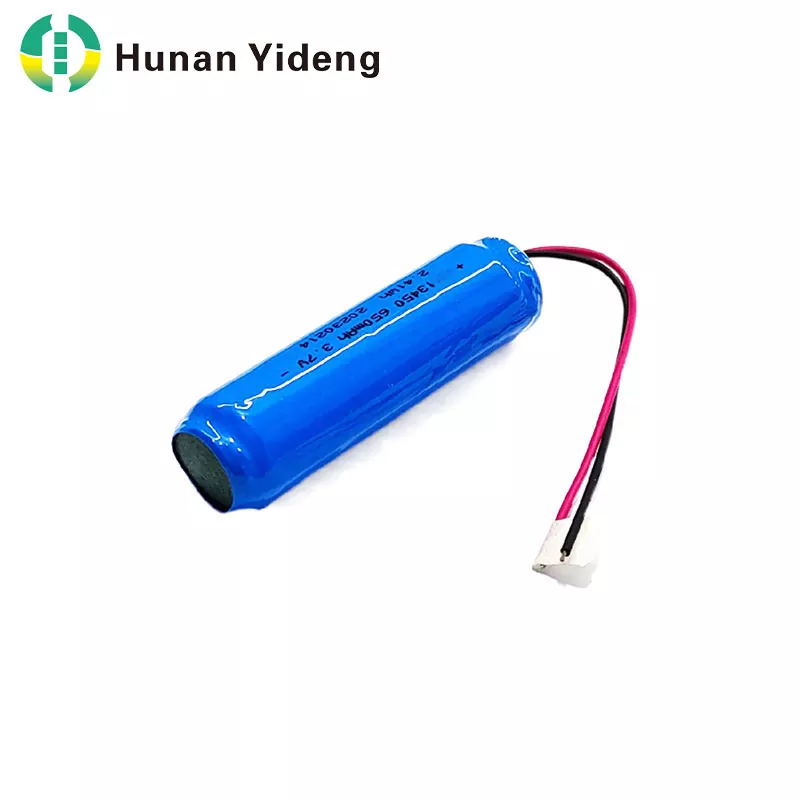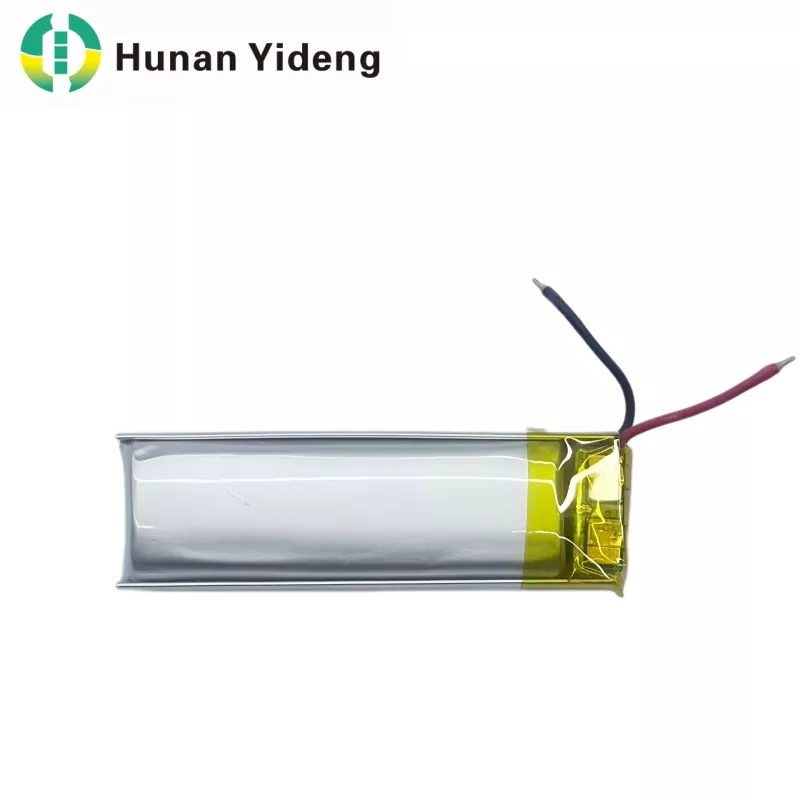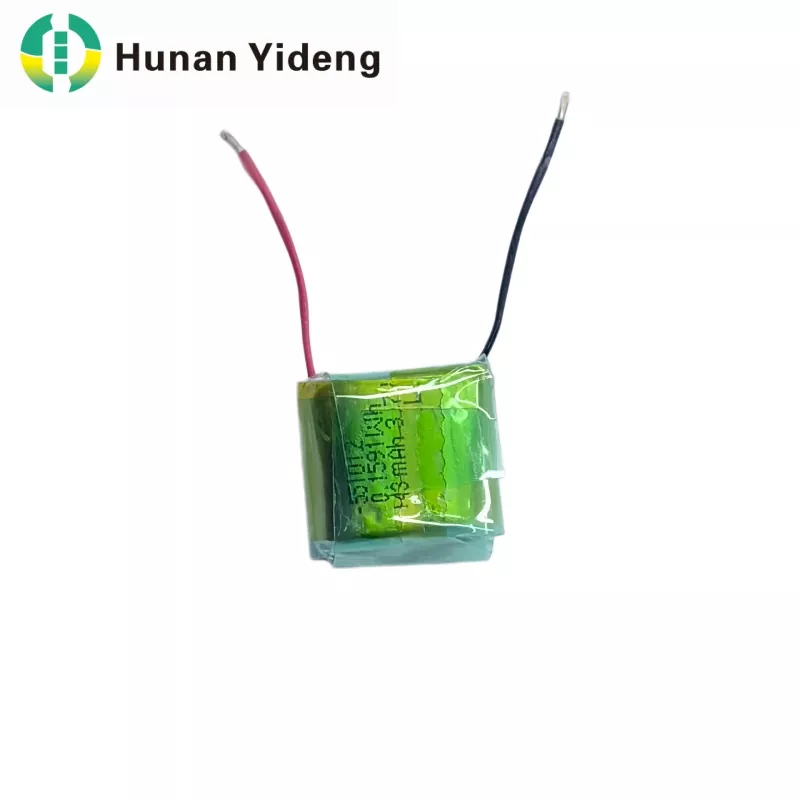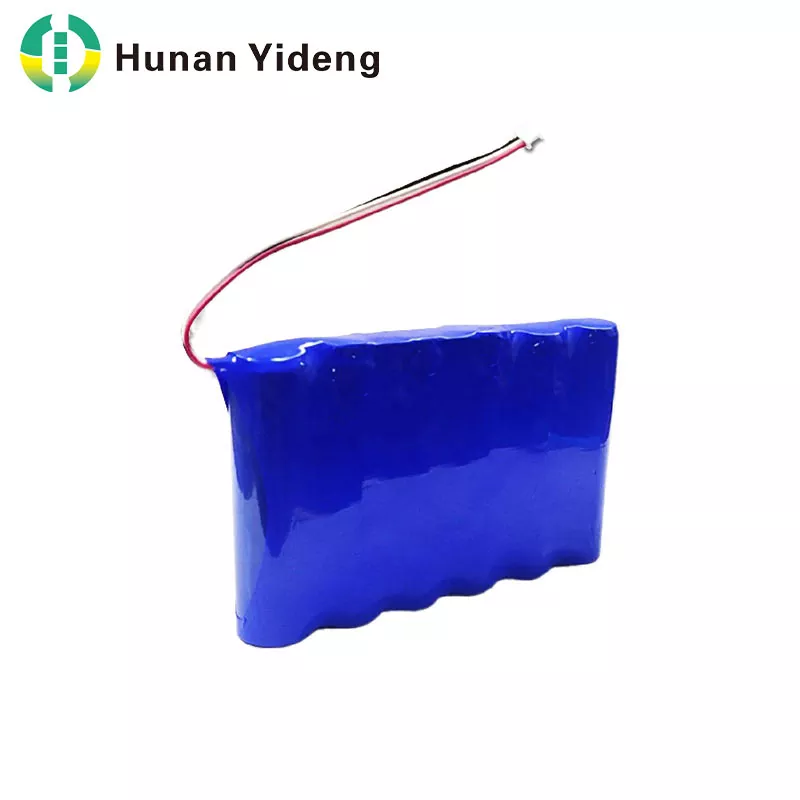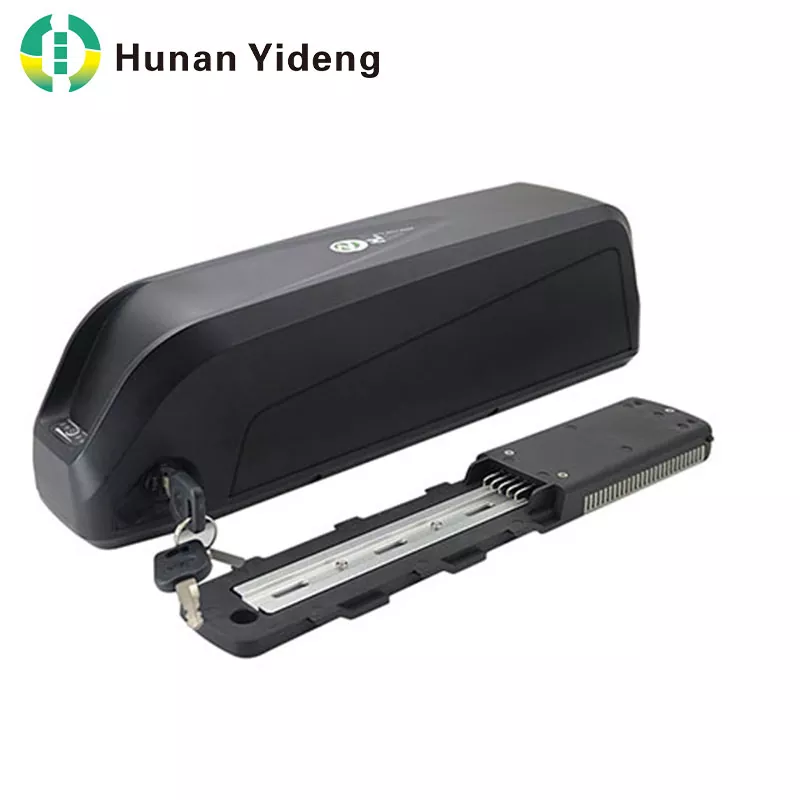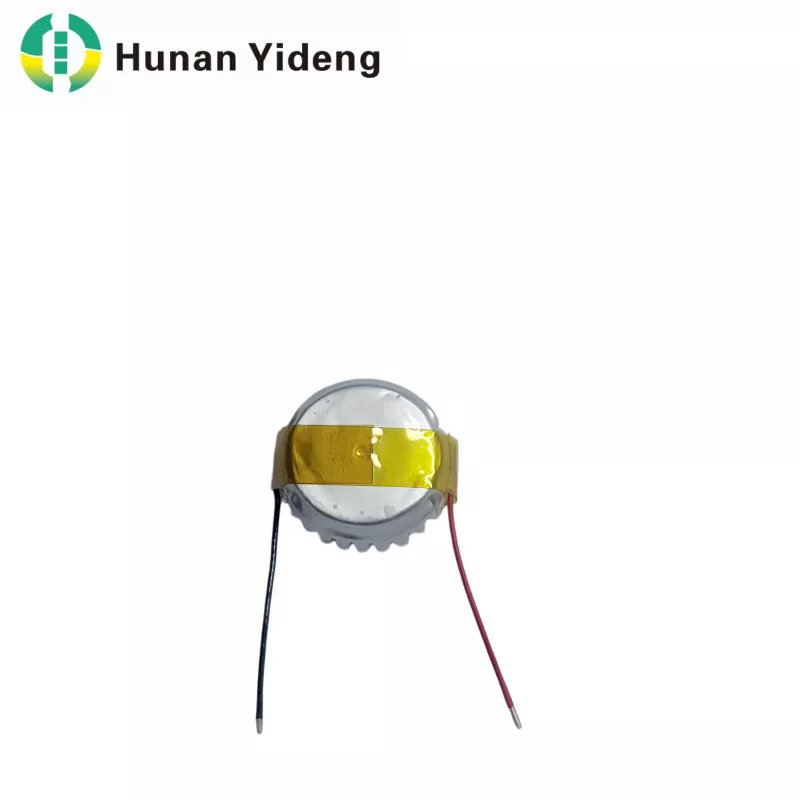
As portable electronics continue to demand compact, rechargeable, and dependable energy sources, Yideng supplies the Lithium 18650 3.7V 2000mAh Cell Rechargeable Battery Pack for battery pack manufacturers, electronic product developers, and global distributors. With a standardized 18mm × 65mm cylindrical structure, 3.7V nominal voltage, 2000mAh capacity, and 7.40Wh energy, this cell provides a practical foundation for portable electronics and customized battery assemblies.
The 18650 format remains widely used in rechargeable lithium battery applications because its standardized cylindrical dimensions make it easy to integrate into established product designs. A 3.7V 2000mAh configuration provides a balance between compact size and usable energy capacity for portable electronic equipment. This article explains the key specifications, manufacturing considerations, application areas, quality-control factors, and customization options that buyers should evaluate when selecting an 18650 lithium battery solution.
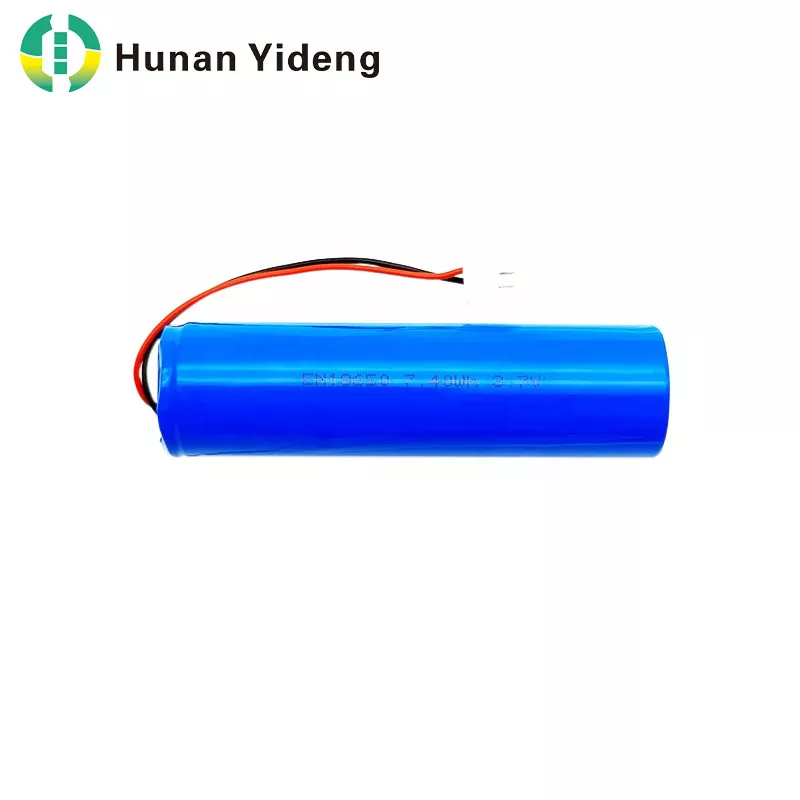
Table of Contents
- What Makes the 18650 3.7V 2000mAh Cell a Practical Power Solution?
- What Are the Key Specifications to Check?
- Why Does Cell Consistency Matter in Battery Pack Production?
- Where Can This Rechargeable Battery Cell Be Used?
- How Does Quality Control Affect Battery Performance?
- What Customization Services Can Manufacturers Provide?
- How Should Buyers Select the Right 18650 Battery Supplier?
- FAQ
What Makes the 18650 3.7V 2000mAh Cell a Practical Power Solution?
The 18650 battery format is recognized for its cylindrical construction and standardized dimensions. For equipment manufacturers, standardized dimensions can simplify mechanical integration because the cell can be incorporated into existing battery compartments and pack structures without requiring completely new tooling.
The Yideng cell uses an 18mm × 65mm cylindrical structure, with a normal voltage of 3.7V and a normal capacity of 2000mAh. Its rated energy is 7.40Wh. These characteristics make it suitable for applications where designers need a rechargeable energy source without significantly increasing the physical size of the battery system.
Another important consideration is integration. Individual cells may be assembled in series or parallel configurations to create battery packs with different voltage and capacity requirements. Proper cell matching becomes especially important when multiple cells are combined into one pack.
What Are the Key Specifications to Check?
Before purchasing an 18650 lithium battery, engineers and procurement teams should evaluate electrical characteristics, operating conditions, charging requirements, storage conditions, and expected cycle performance rather than considering capacity alone.
| Parameter | Specification | Why It Matters |
|---|---|---|
| Cell Model | 18650 | Provides a standardized cylindrical format for pack integration |
| Nominal Voltage | 3.7V | Defines the typical operating voltage of the cell |
| Capacity | 2000mAh | Indicates the rated charge-storage capability |
| Energy | 7.40Wh | Helps estimate available energy for portable applications |
| Delivery Voltage | 3.7V–4.2V | Useful when designing charging and power-management systems |
| Maximum Charging Current | 1C | Provides a reference for the charging design |
| Maximum Discharging Current | 1C | Helps determine whether the cell matches the equipment load |
| Charging Temperature | 0°C to 50°C | Defines the specified charging operating range |
| Discharging Temperature | -20°C to 60°C | Helps engineers assess environmental compatibility |
| Cycle Life | ≥300 cycles / ≥500 cycles* | Provides a reference for repeated charge-discharge use |
*Cycle-life performance depends on the specified test conditions and thickness-expansion criteria. Buyers should always confirm the final technical specification and testing conditions for their particular application.
Why Does Cell Consistency Matter in Battery Pack Production?
When several lithium cells are assembled into a battery pack, differences in capacity, voltage, and internal resistance can affect the balance and overall behavior of the finished pack. For this reason, cell consistency is a major consideration for OEM battery manufacturers.
Yideng applies cell grading based on important electrical characteristics, including capacity, voltage, and internal resistance. The objective is to group cells with similar performance characteristics before pack assembly. This approach can help reduce variation between cells and support more consistent battery-pack performance.
For manufacturers producing thousands of battery packs, consistent incoming cells can also simplify production management. Better-matched cells can reduce unnecessary variation during assembly and make quality inspection more predictable.
Important factors for professional battery assembly include:
- Capacity consistency between cells
- Open-circuit voltage consistency
- Internal resistance matching
- Stable discharge characteristics
- Dimensional accuracy
- Reliable electrical connections
- Appropriate protection and battery-management systems
Where Can This Rechargeable Battery Cell Be Used?
The combination of a compact cylindrical format, 3.7V nominal voltage, and 2000mAh capacity allows this type of cell to serve a broad range of rechargeable-power applications. The final suitability depends on the equipment's current demand, operating environment, required runtime, charging strategy, and protection design.
Consumer Electronics
- Bluetooth speakers
- Portable fans
- Wireless electronic devices
- Small household equipment
Smart and Medical Devices
- Portable monitoring equipment
- Healthcare electronics
- Smart wearable products
- Compact electronic instruments
Outdoor and Industrial Equipment
- Portable lighting systems
- Camping equipment
- Surveillance devices
- Remote-control equipment
Battery Pack Manufacturing
- Custom lithium battery packs
- OEM electronic projects
- Replacement battery systems
- Prototype and small-batch battery development
How Does Quality Control Affect Battery Performance?
Battery quality is determined by more than the nominal capacity printed on the cell. Appearance, dimensions, voltage, internal resistance, capacity, and discharge behavior all contribute to the reliability of a finished battery system.
Yideng's stated inspection process covers raw materials, cell manufacturing, and finished-cell evaluation. Key inspection items include appearance condition, dimensional accuracy, open-circuit voltage, internal resistance, capacity performance, and discharge characteristics.
The manufacturer also describes the use of automated production equipment and MES digital management systems. For high-volume buyers, production traceability and repeatable inspection procedures are valuable because they help establish a more consistent quality baseline across different production batches.
What should procurement teams verify?
- Whether the supplier can provide detailed electrical specifications.
- Whether capacity and internal-resistance grading is available.
- Whether sample testing is supported before mass production.
- Whether transportation documentation is available for international shipments.
- Whether technical support is available for pack integration.
What Customization Services Can Manufacturers Provide?
A standard 18650 cell may be only the first stage of a battery project. Depending on the equipment design, customers may need additional assembly services to convert individual cells into a finished rechargeable battery pack.
Yideng supports additional processing such as nickel-strip spot welding, wire-harness assembly, protection PCB installation, connector customization, and battery pack integration. These services can help equipment manufacturers reduce the number of suppliers involved in their battery-development process.
For OEM projects, buyers should provide key requirements such as target voltage, capacity, maximum current, dimensions, connector type, operating temperature, charging method, and available installation space. This information enables the battery manufacturer to evaluate the appropriate series-parallel configuration and protection architecture.
How Should Buyers Select the Right 18650 Battery Supplier?
Choosing an 18650 cell supplier requires more than comparing unit prices. A lower purchase price may not provide the best overall production value if the supplier cannot maintain consistent specifications, documentation, delivery schedules, or technical support.
A practical supplier evaluation can focus on five areas:
- Product consistency: Check whether cells are graded according to capacity, voltage, and internal resistance.
- Manufacturing capability: Evaluate production automation, quality systems, and manufacturing scale.
- Customization: Confirm whether the supplier can support spot welding, wiring, PCB installation, and pack assembly.
- Documentation: Request applicable technical and transportation documents for your market and application.
- Technical communication: Make sure the supplier can respond to engineering requirements rather than simply providing a standard catalog product.
For buyers evaluating a professional lithium-ion battery cell and pack manufacturer, these factors provide a useful framework for comparing suppliers according to actual project requirements.
FAQ
Q1: What is the capacity of the 18650 cell?
The specified normal and minimum capacity is 2000mAh under the stated 0.2C test condition. The nominal voltage is 3.7V and the rated energy is 7.40Wh.
Q2: What are the dimensions of an 18650 cell?
The standard cylindrical structure described for this product is approximately 18mm in diameter and 65mm in length. Buyers should confirm dimensional tolerances for their mechanical design before mass production.
Q3: Can the cells be assembled into a customized battery pack?
Yes. Yideng provides supporting services including nickel-strip spot welding, wire assembly, protection PCB installation, connector customization, and battery pack integration.
Q4: What is the specified charging temperature range?
The stated charging operating range is 0°C to 50°C. The specified discharge range is -20°C to 60°C. Actual product design should account for the complete thermal environment and applicable safety requirements.
Q5: How does Yideng improve cell consistency?
Yideng states that cells are inspected and graded according to capacity, voltage, and internal resistance. Additional checks include appearance, dimensions, and discharge characteristics.
Q6: Can international buyers order samples before bulk production?
Yes. Yideng states that sample orders and small-batch trial production are supported, allowing customers to evaluate the cell before moving to larger-volume cooperation.
Conclusion
A well-specified 18650 rechargeable cell can provide a practical balance of standardized dimensions, usable energy, rechargeable performance, and integration flexibility for portable electronics and customized battery systems. With 3.7V nominal voltage, 2000mAh capacity, 7.40Wh energy, cell grading, quality inspection, and additional battery-processing services, Yideng's solution can support both prototype development and repeat production. If you are planning a new battery project, evaluating replacement cells, or sourcing cells for OEM assembly, contact us with your voltage, capacity, current, dimensions, connector, and application requirements to discuss a suitable battery solution, sample testing, customization, and bulk supply.