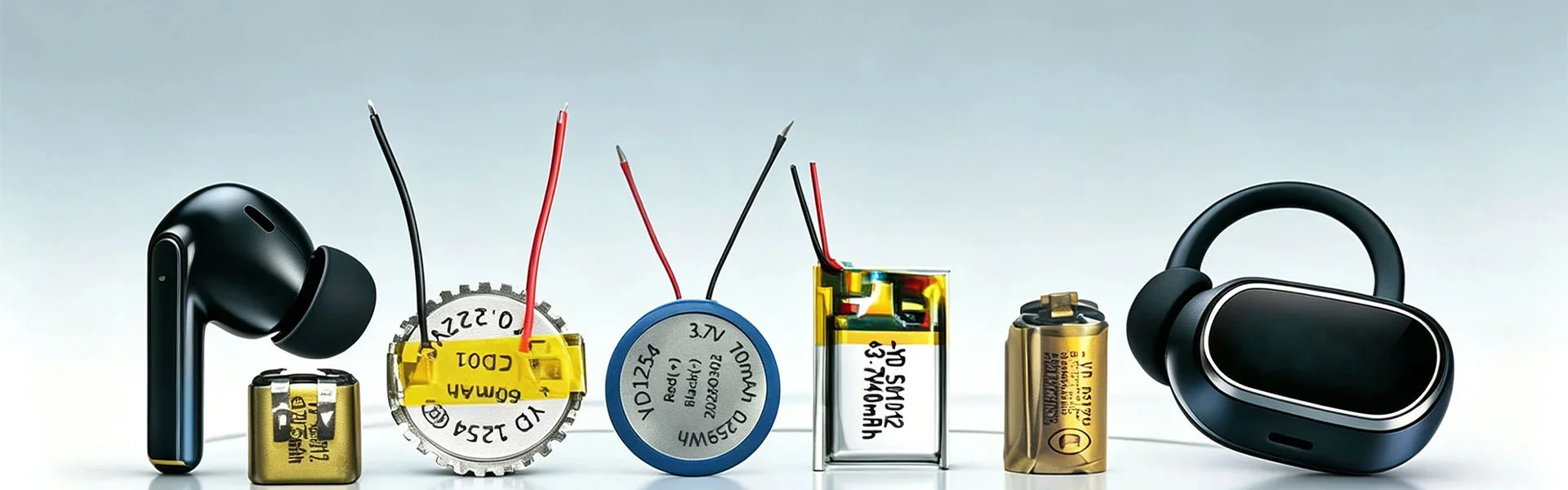
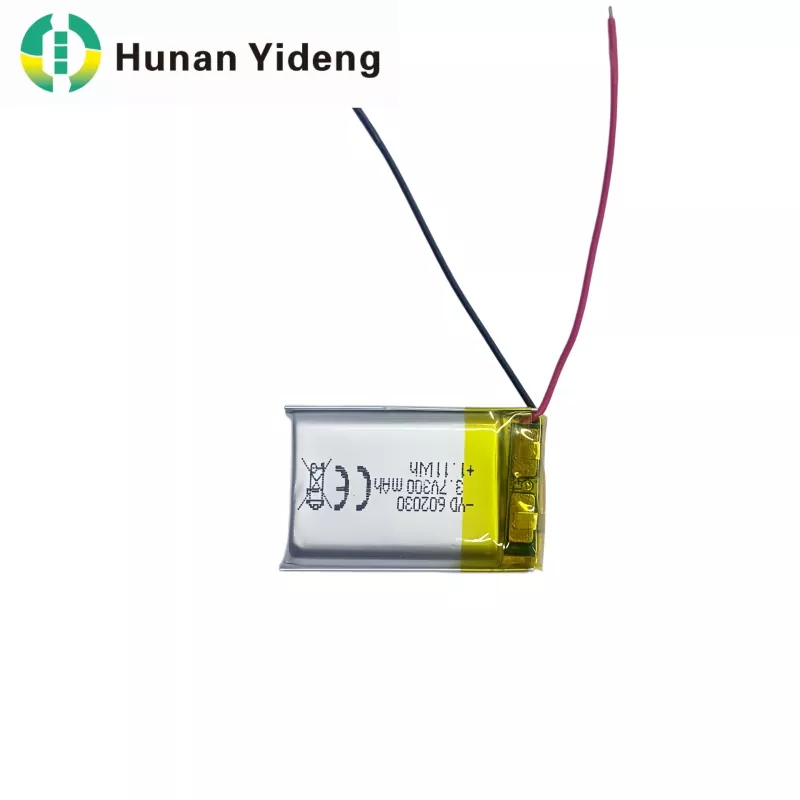
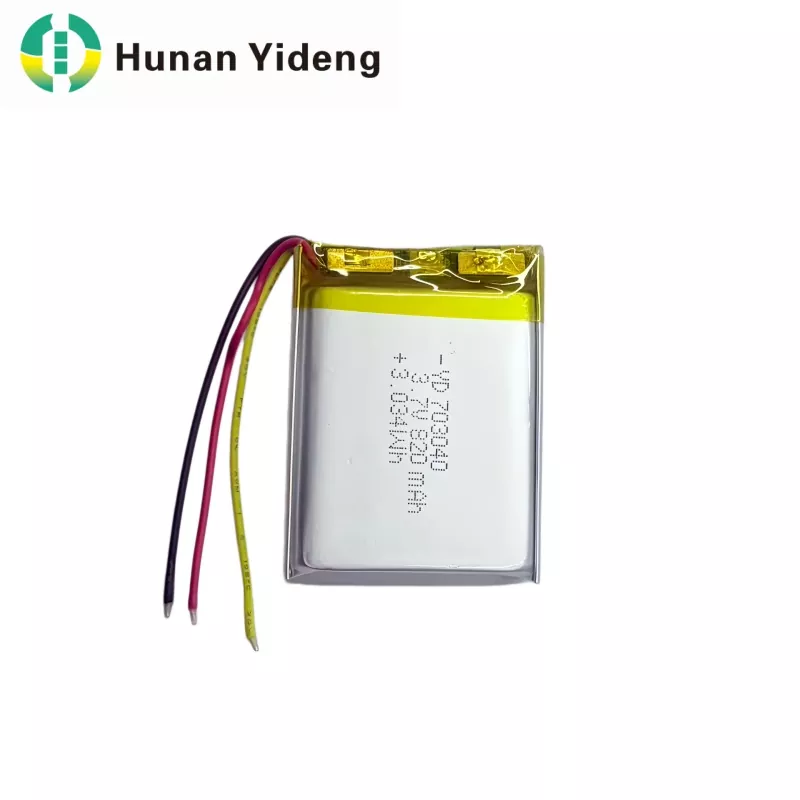
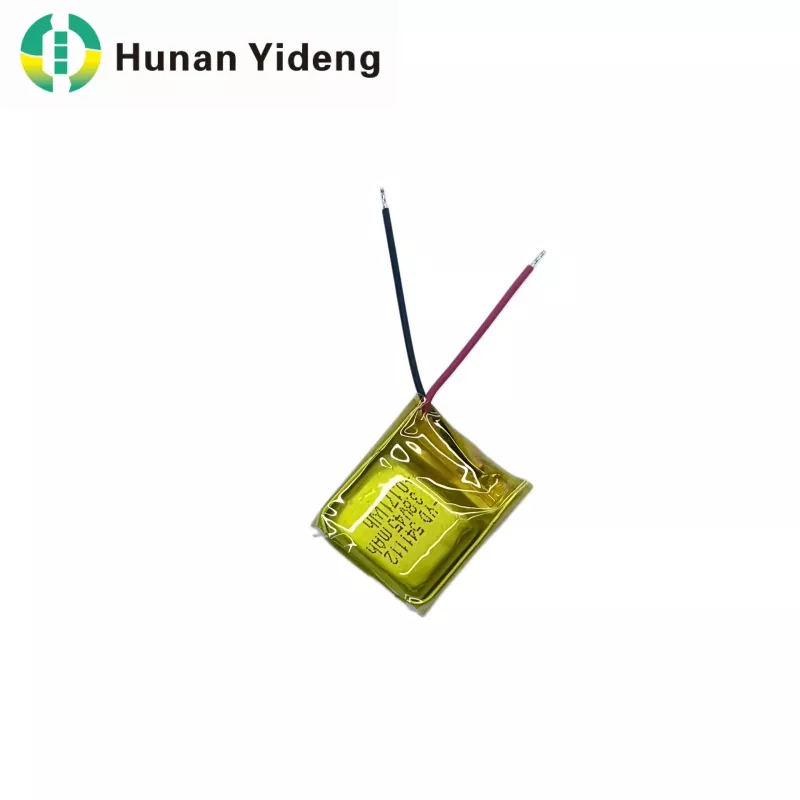
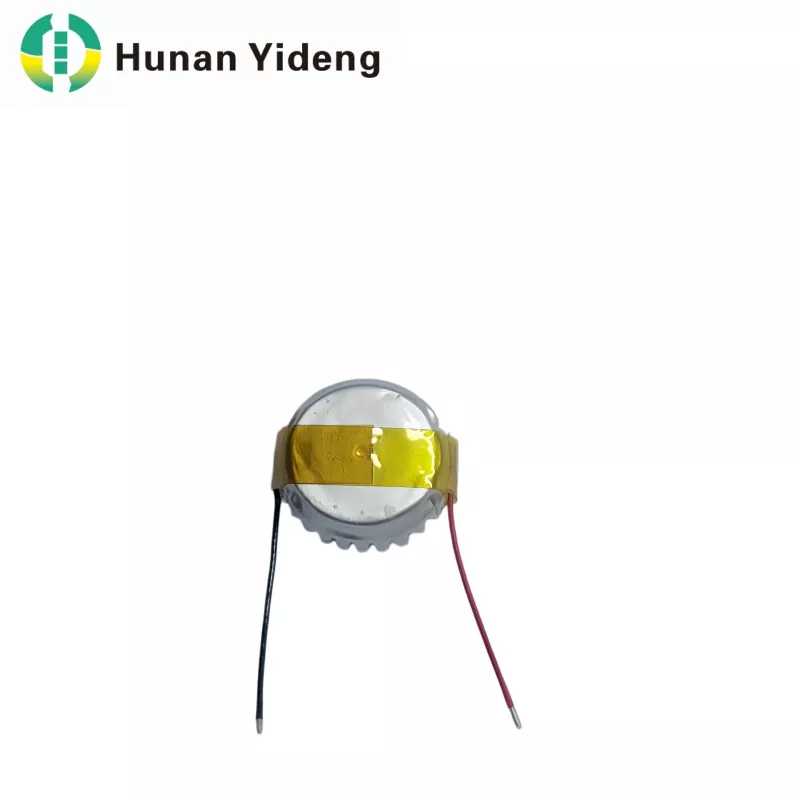
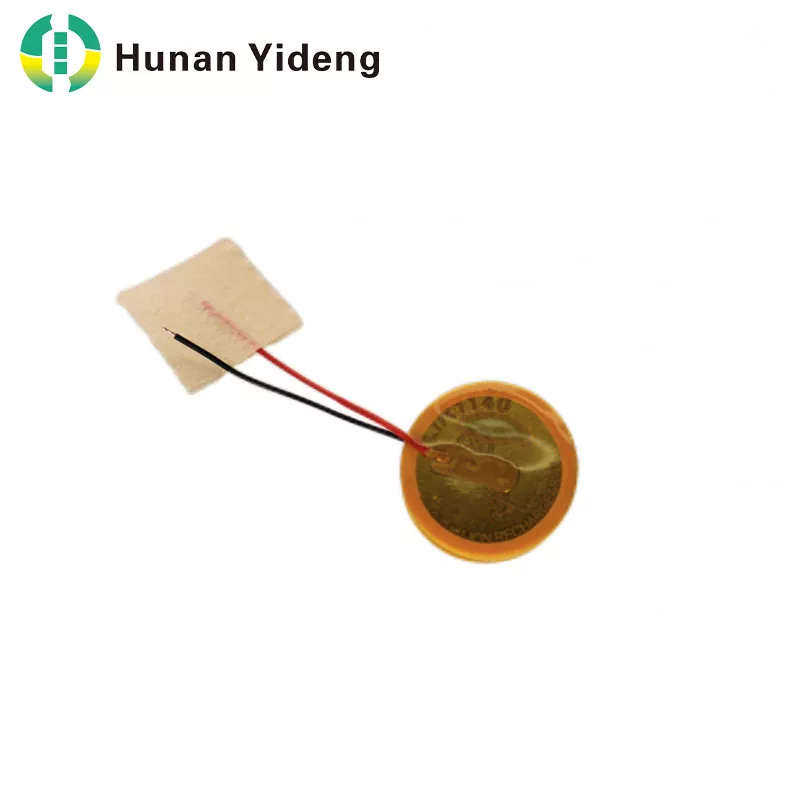
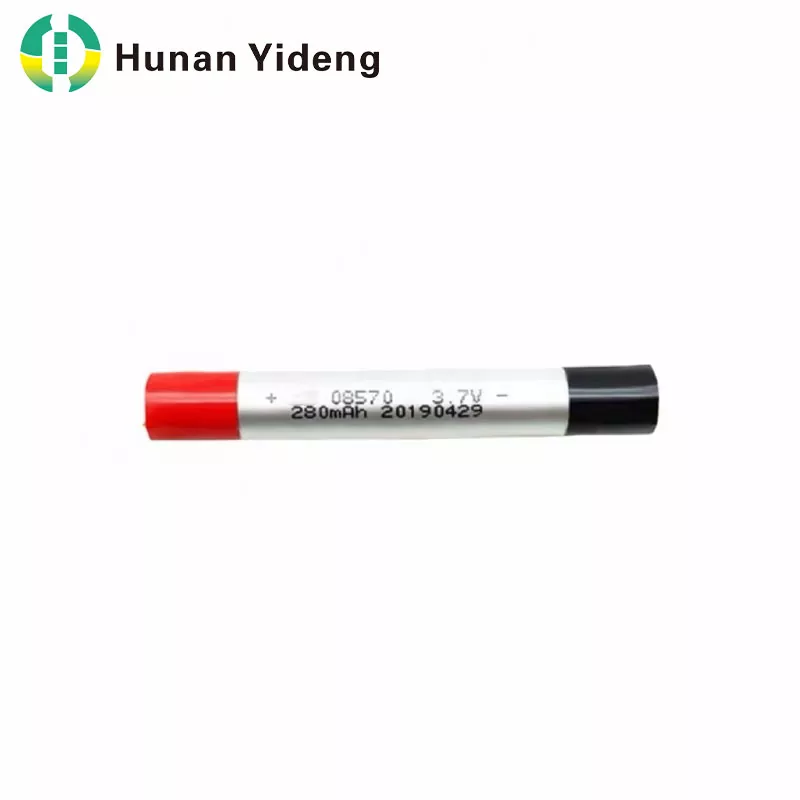
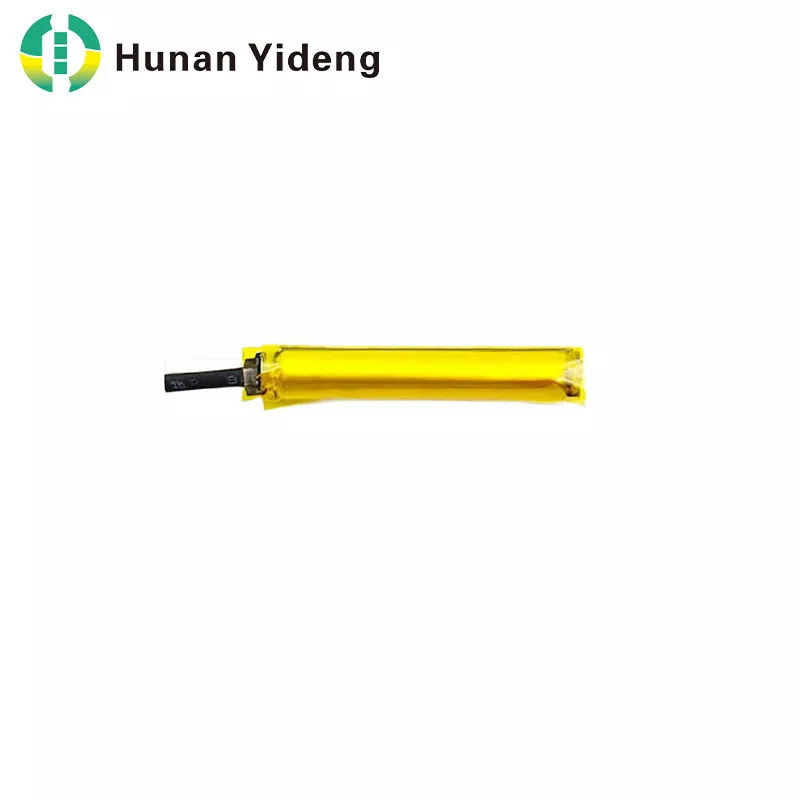
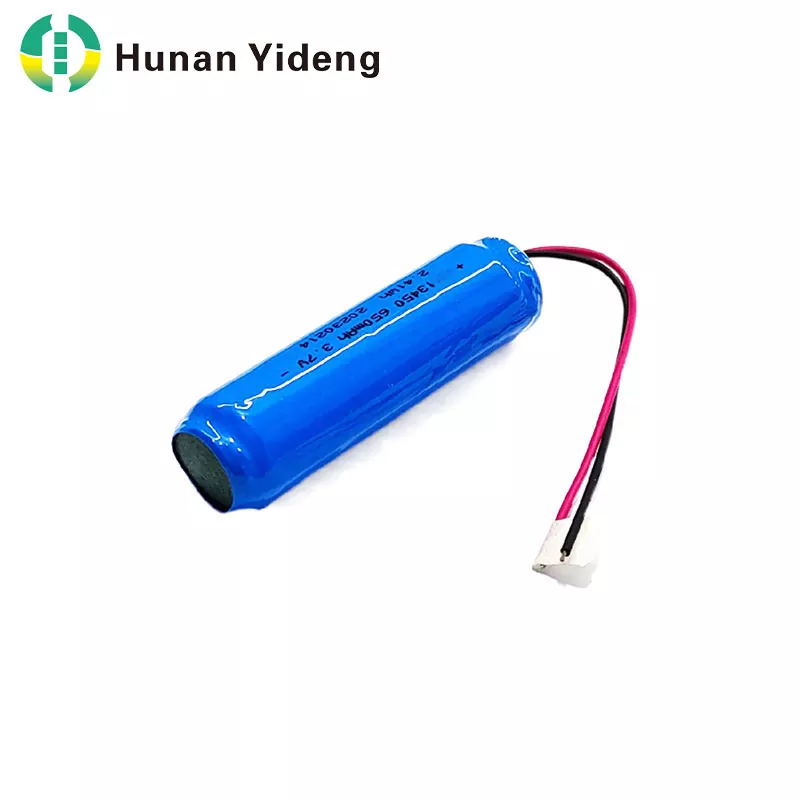
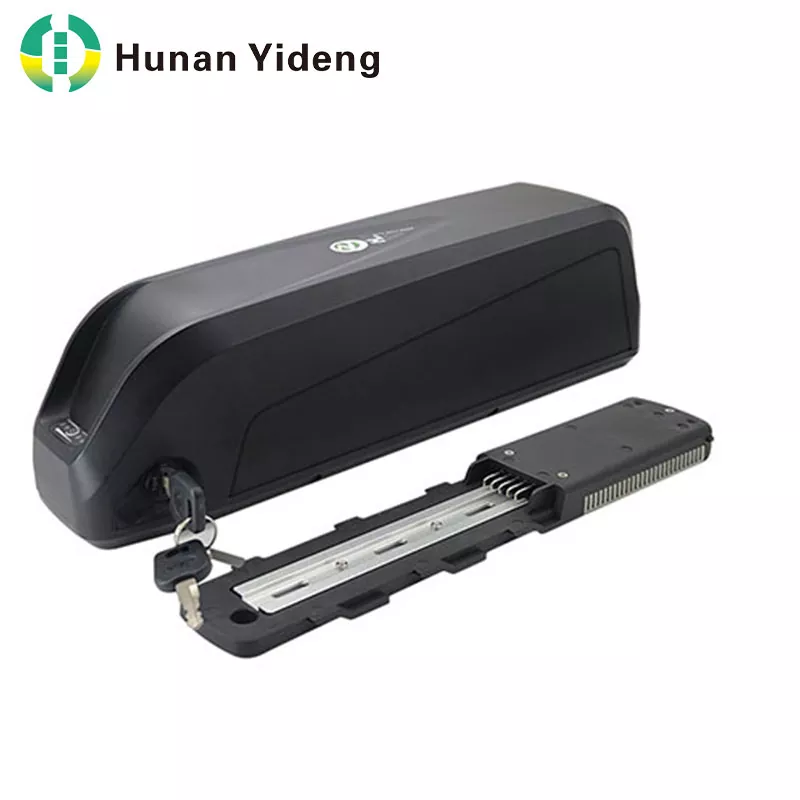
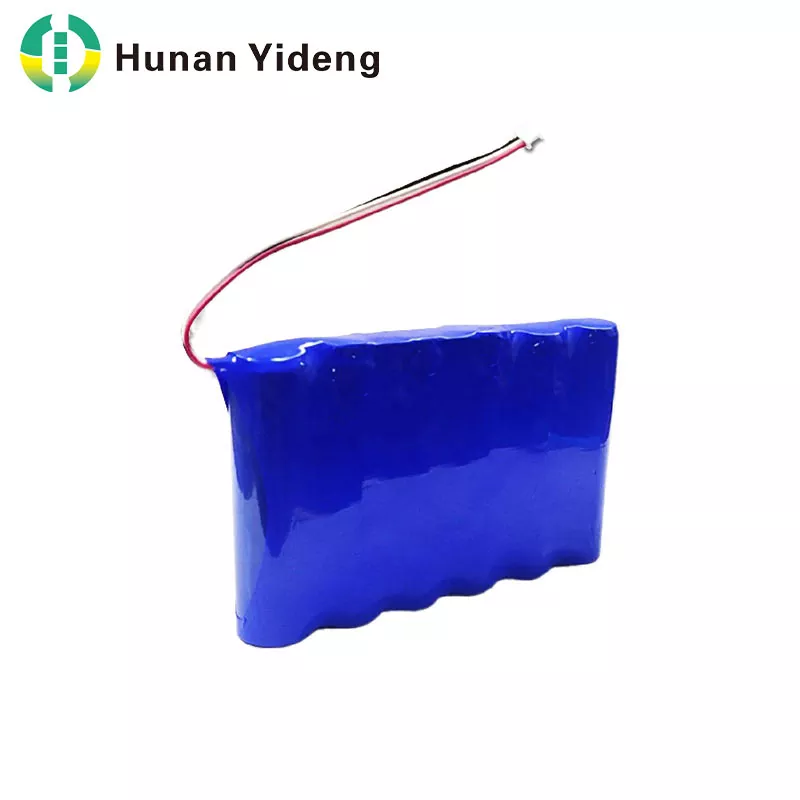
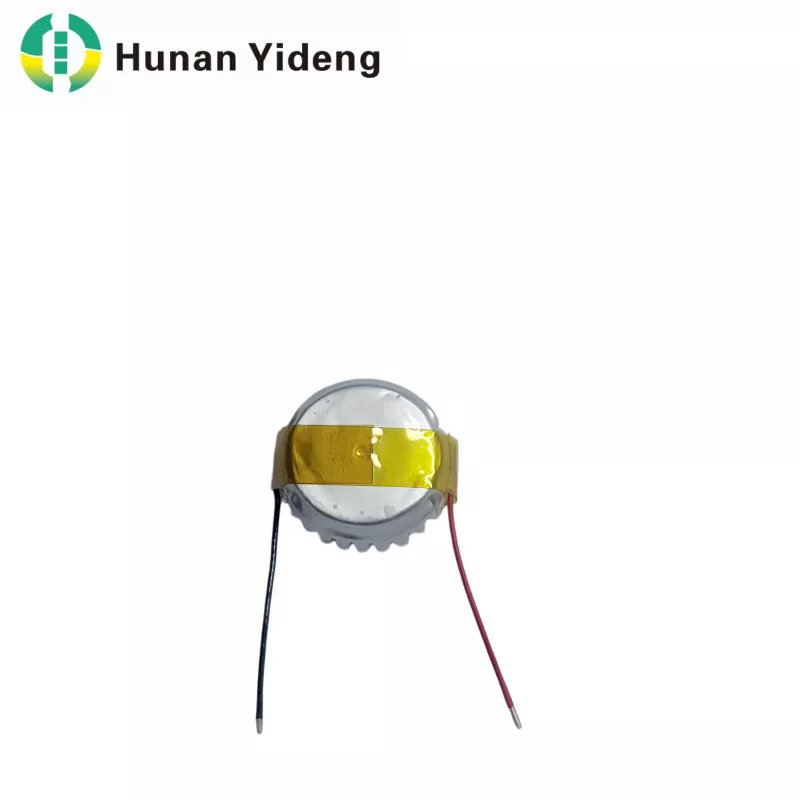
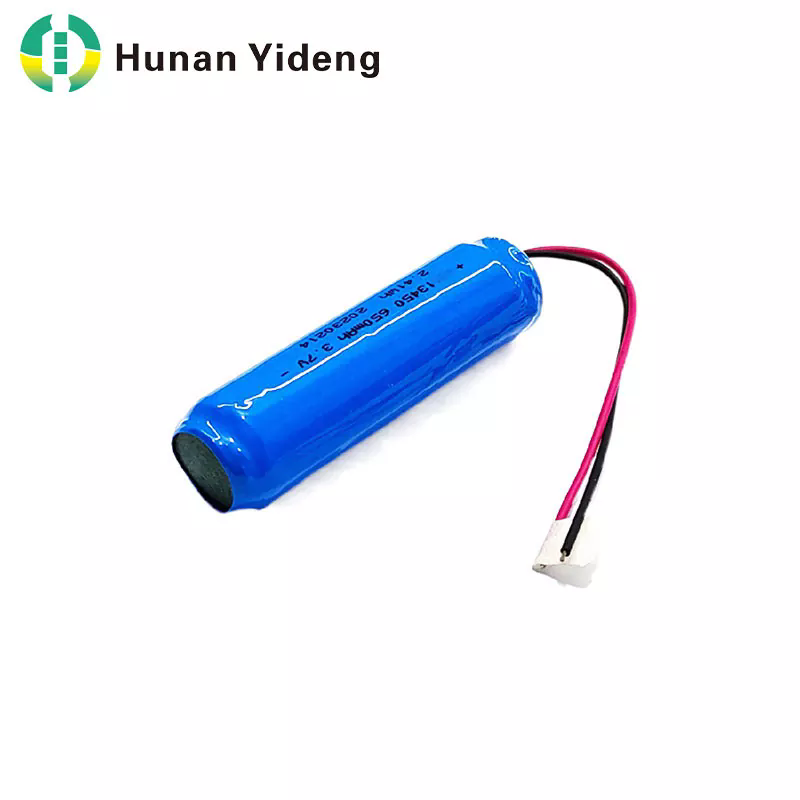
When selecting a rechargeable power source for modern portable electronics, medical devices, drones, or electric vehicles, Lithium Polymer Battery technology stands out for its high energy density, lightweight construction, and customizable form factor. Yideng has spent years refining lithium polymer cell chemistry and manufacturing processes to deliver batteries that meet strict international safety standards while providing reliable performance in demanding applications.
Compared with nickel-metal hydride or lead-acid chemistries, lithium polymer battery packs from Yideng deliver higher nominal voltage per cell, lower self-discharge, and no memory effect. They can be manufactured with custom connectors, protective circuit modules, and even curved geometries for integration into compact enclosures. This flexibility reduces the need for redesigning device housings and shortens product development cycles.
Technical Advantages of Yideng Battery Cells
Yideng does not treat all lithium polymer battery cells as equal. Our production process includes automated electrode coating, precision stacking, vacuum sealing, and rigorous aging tests. Each cell must pass a 100% voltage, internal resistance, and capacity check before leaving the factory. The following list highlights key technical advantages.
-
High energy density: Up to 220 Wh/kg, enabling longer runtimes in small devices without adding bulk.
-
Low self-discharge: Less than 5% per month at 25°C, preserving charge during storage and transit.
-
Stable discharge platform: Minimal voltage sag during high-current pulses, critical for motors, transmitters, and camera flashes.
-
Wide temperature tolerance: Special electrolyte formulations support discharge from -20°C to 60°C and short-term storage from -20°C to 45°C.
-
Built-in safety layers: Polyolefin separator with ceramic coating prevents internal short circuits; aluminum laminate film provides puncture resistance.
-
Low swelling rate: Controlled moisture content and formation cycling reduce gas generation to less than 0.5% thickness increase per 300 cycles.
-
Custom PCB and BMS integration: Yideng offers single-cell PCM or multi-cell smart BMS with I2C or SMBus communication for fuel gauging and cell balancing.
Applications
-
Wearable electronics: Smart watches, fitness bands, health monitors — ultra-thin cells from 30 mAh to 150 mAh with curved edges.
-
Medical devices: Portable infusion pumps, patient monitors, handheld diagnostic tools — high safety cells with IEC62133 certification and low leakage current.
-
Drones and RC models: High-discharge 2C to 10C cells from 500 mAh to 10,000 mAh with XT30 or XT60 connectors.
-
Bluetooth and IoT devices: Compact 200 mAh to 1,000 mAh cells with low self-discharge for long shelf life.
-
POS terminals and handheld scanners: 2,000 mAh to 5,000 mAh cells with built-in protection circuits for safe field use.
-
Robotics and automation: Large format 10,000 mAh to 20,000 mAh packs with smart BMS for autonomous mobile robots.
Frequently Asked Questions
Q: Can Yideng make a battery in a custom shape or with a specific connector?
A: Yes. Yideng specializes in custom battery design. We can produce cells in rectangular, round, curved, or even irregular shapes to fit unusual enclosure spaces.
Q: What safety features are built into Yideng lithium polymer battery packs?
A: Safety is the top priority. At the cell level, we use a ceramic-coated separator that maintains integrity at high temperatures, pressure-relief vents in the pouch seal, and electrolyte additives that suppress thermal runaway. At the pack level, our protection circuit module monitors overcharge, over-discharge, short circuit, and overcurrent conditions. Many Yideng packs also include a positive temperature coefficient device and a resettable fuse. All cells pass nail penetration, crush, and thermal shock tests according to UN38.3 and IEC62133 standards.
Q: How should I store when it is not in use?
A: Store Yideng battery packs at 3.7V to 3.85V per cell, which is roughly 40% to 60% state of charge. The ideal storage temperature is 15°C to 25°C with relative humidity below 65%. Avoid storing batteries in direct sunlight, inside hot vehicles, or in fully discharged or fully charged states for extended periods.
Q: What charger settings are recommended?
A: Use a charger specifically designed for 3.7V lithium polymer battery cells with a constant current/constant voltage profile.
Q: How do I choose the right capacity and discharge rate for my application?
A: First, calculate your device’s average current draw in milliamps and multiply by the desired runtime in hours. For example, a device drawing 200 mA for 5 hours needs at least 1,000 mAh. Then check the continuous discharge rate. If your device has peak currents of 2 A, a 1,000 mAh cell should be rated for at least 2C. Add a 20% safety margin to account for temperature and aging.