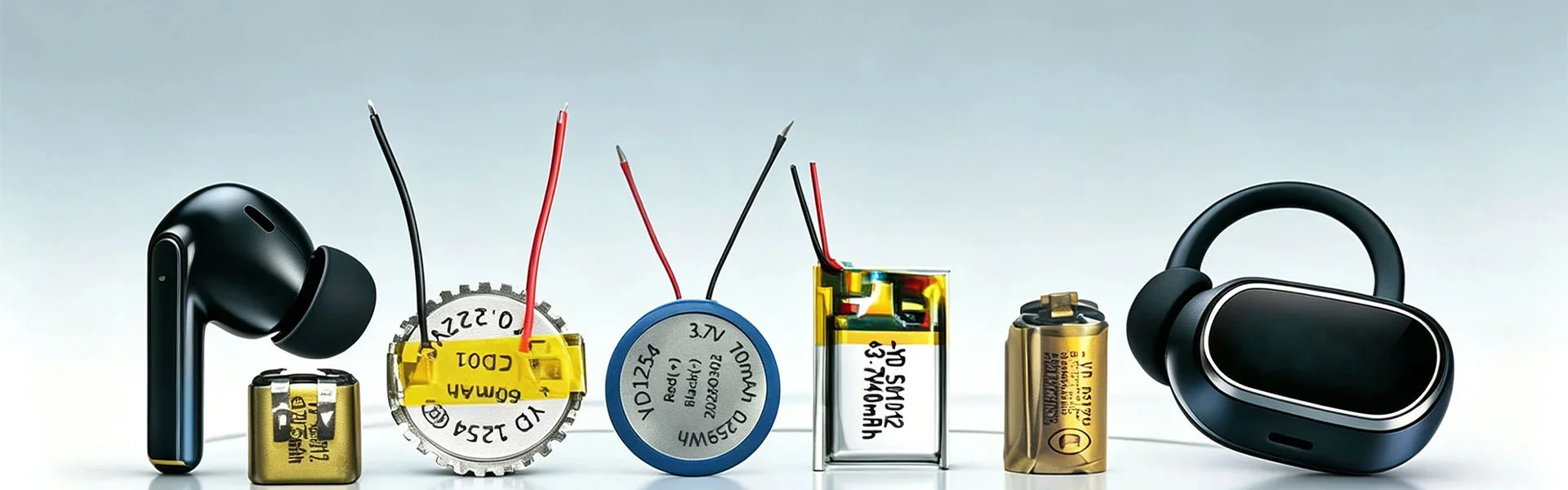
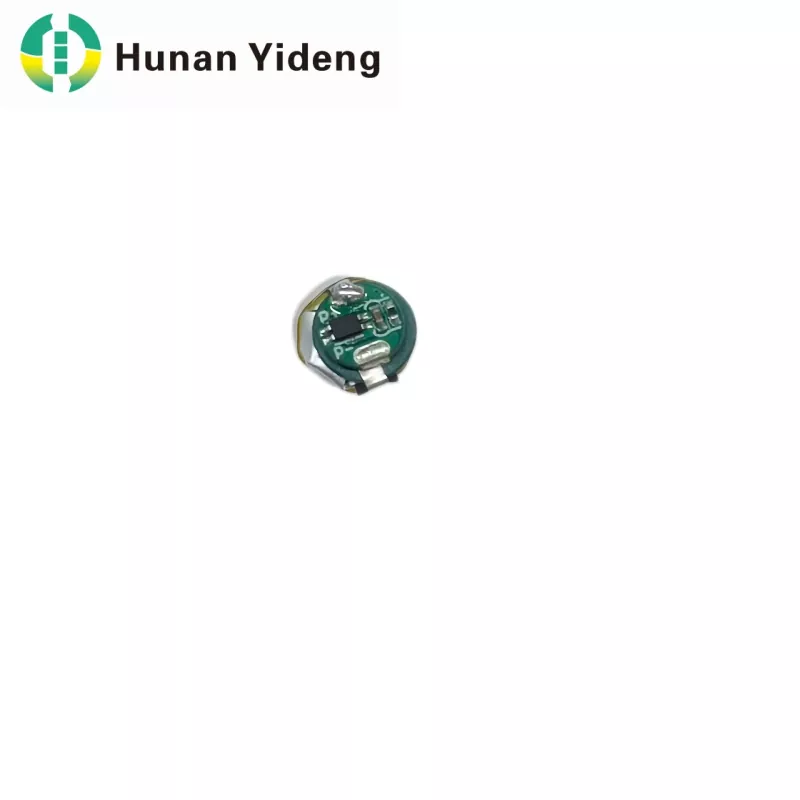
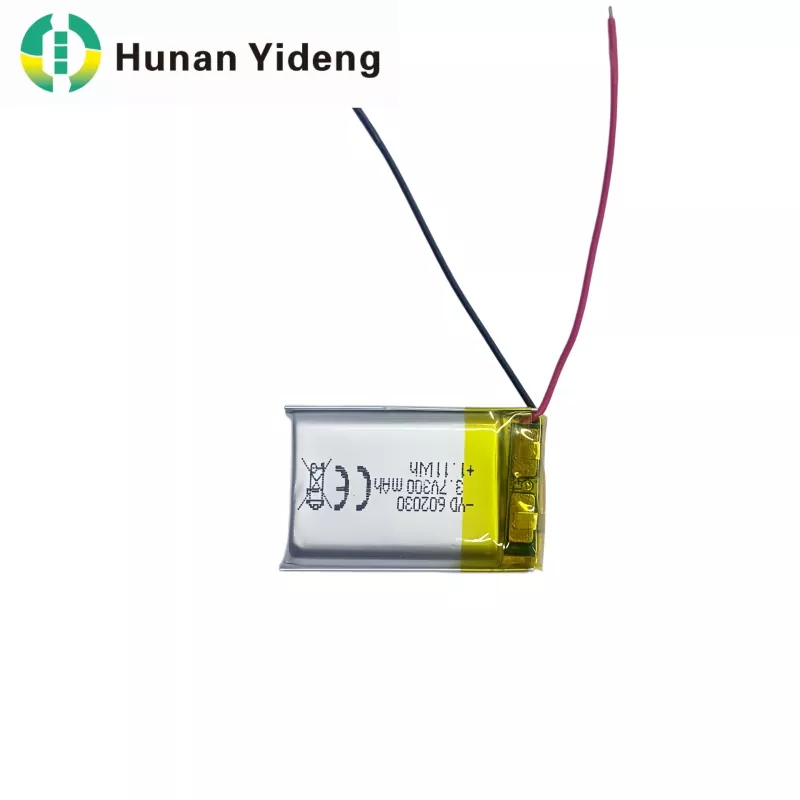
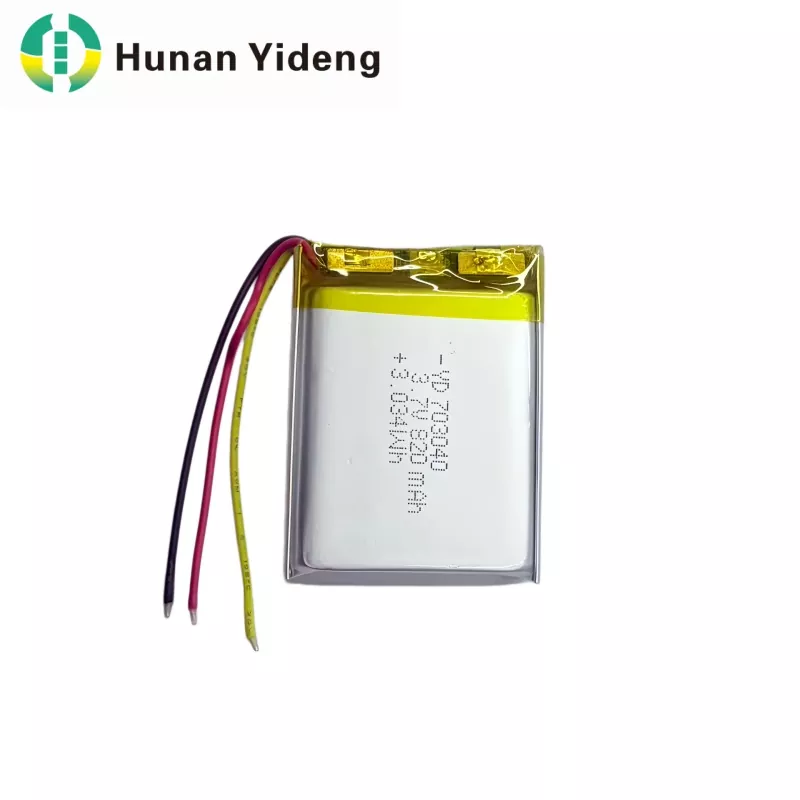
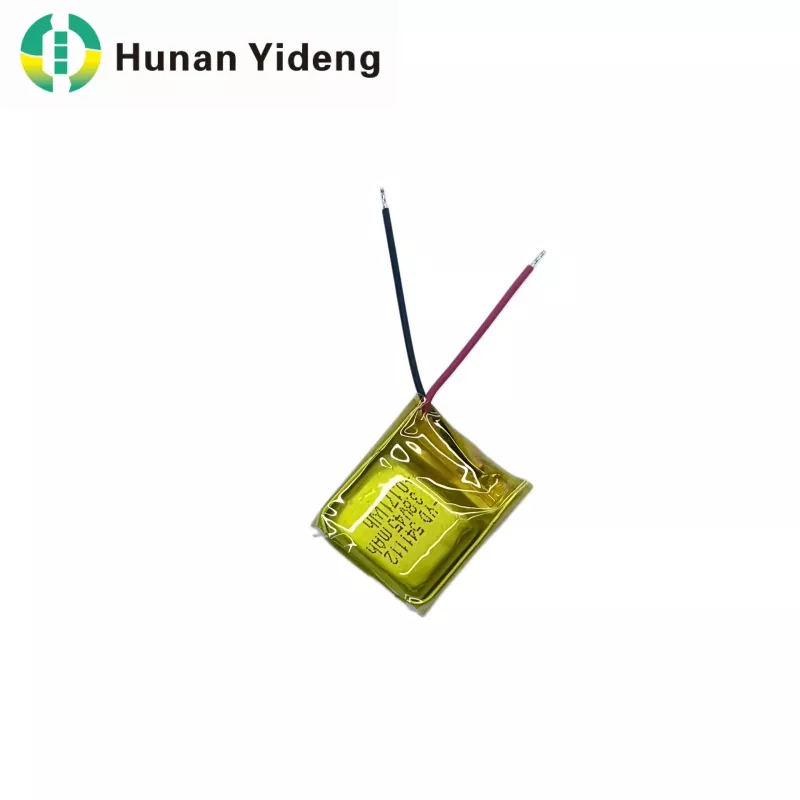
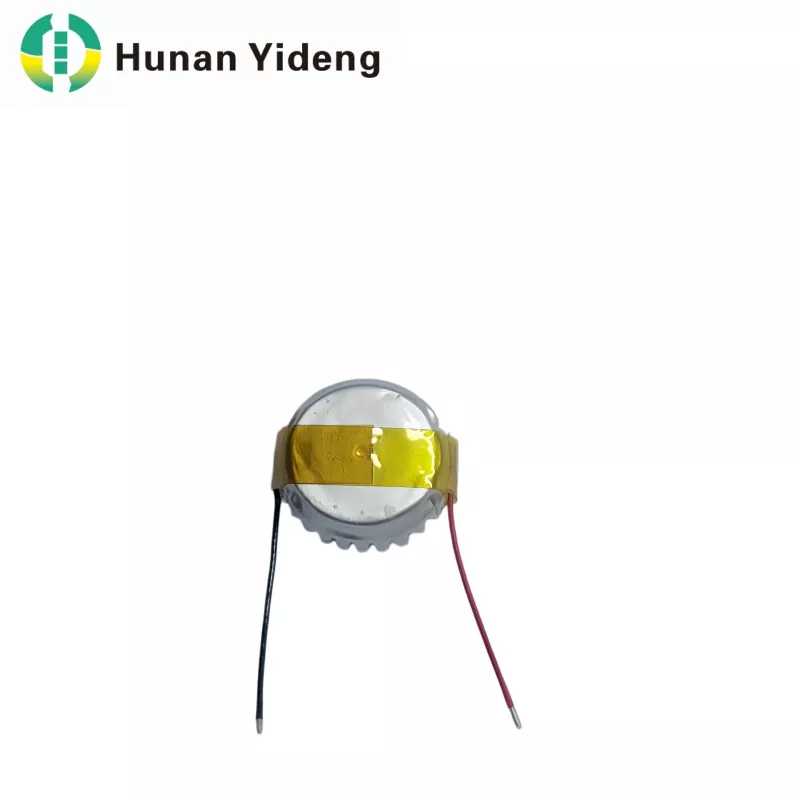
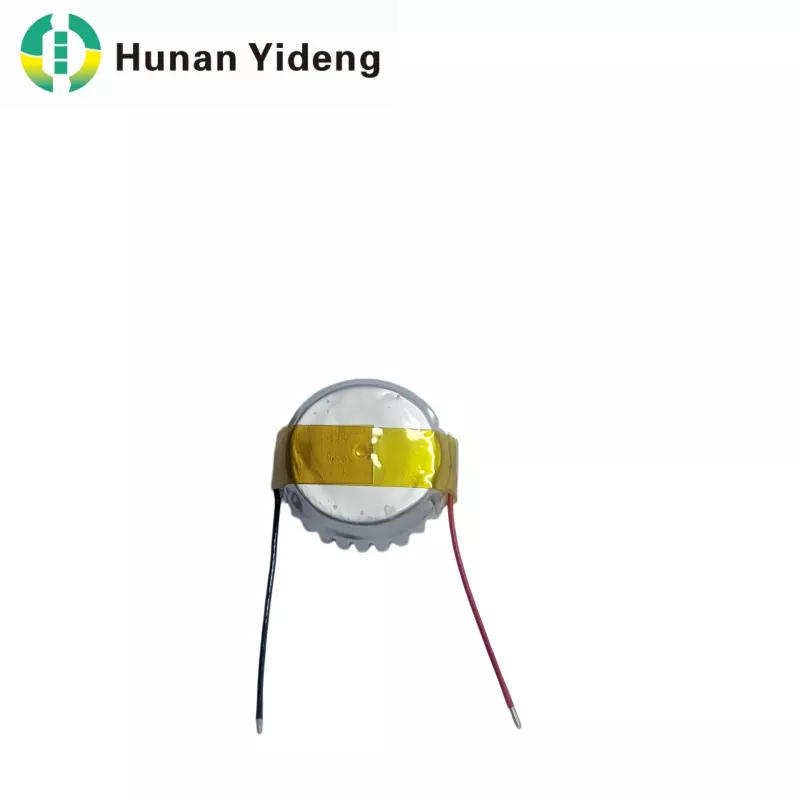
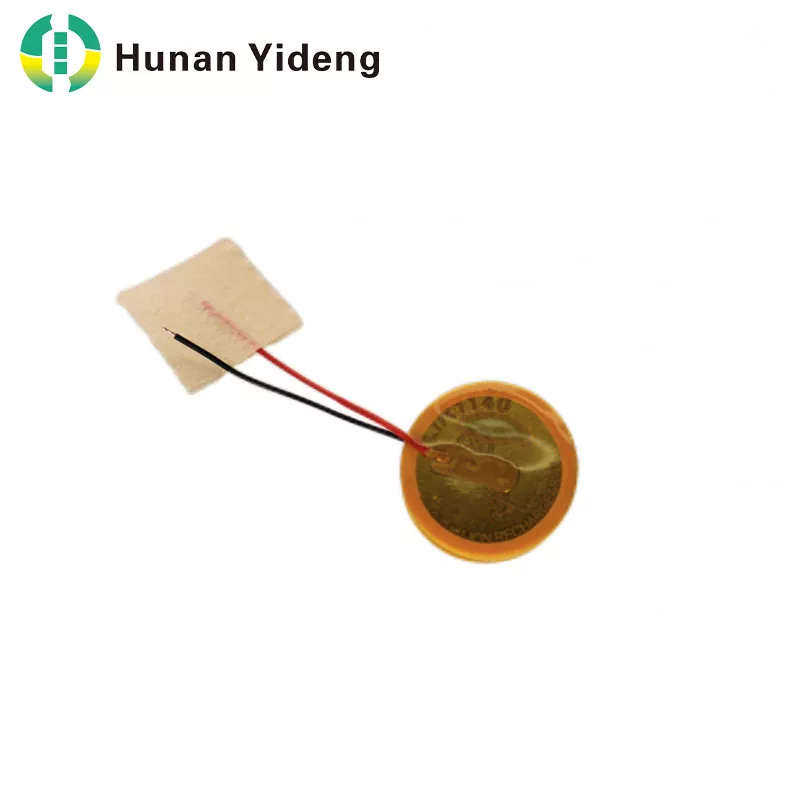
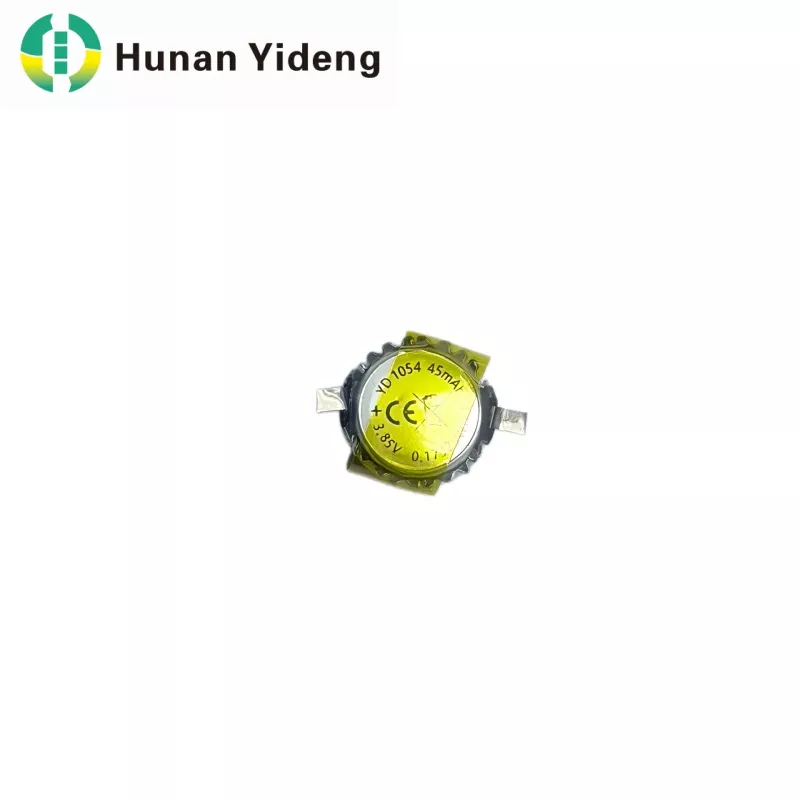
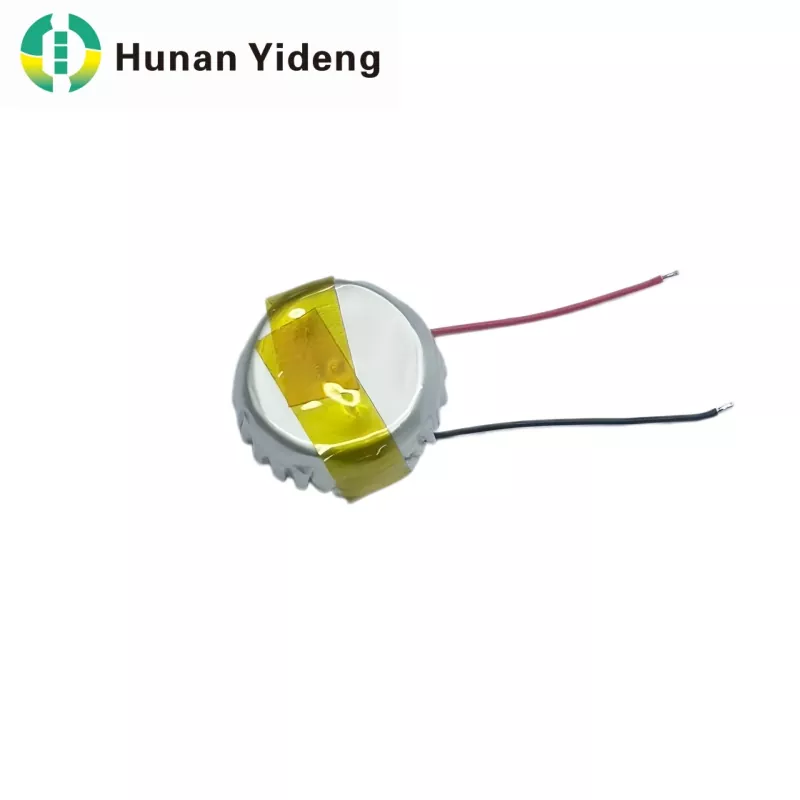
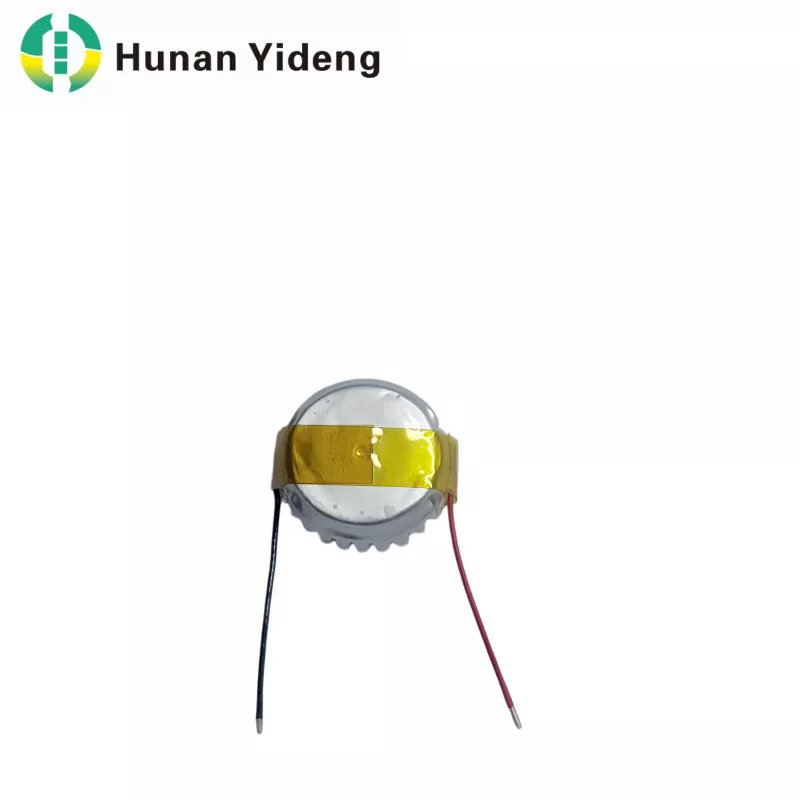
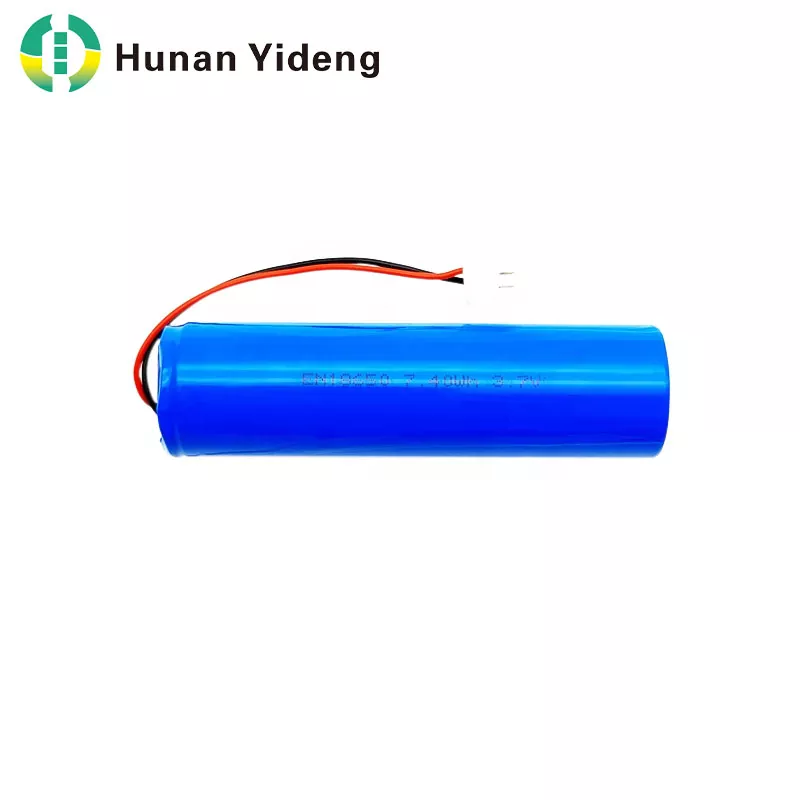
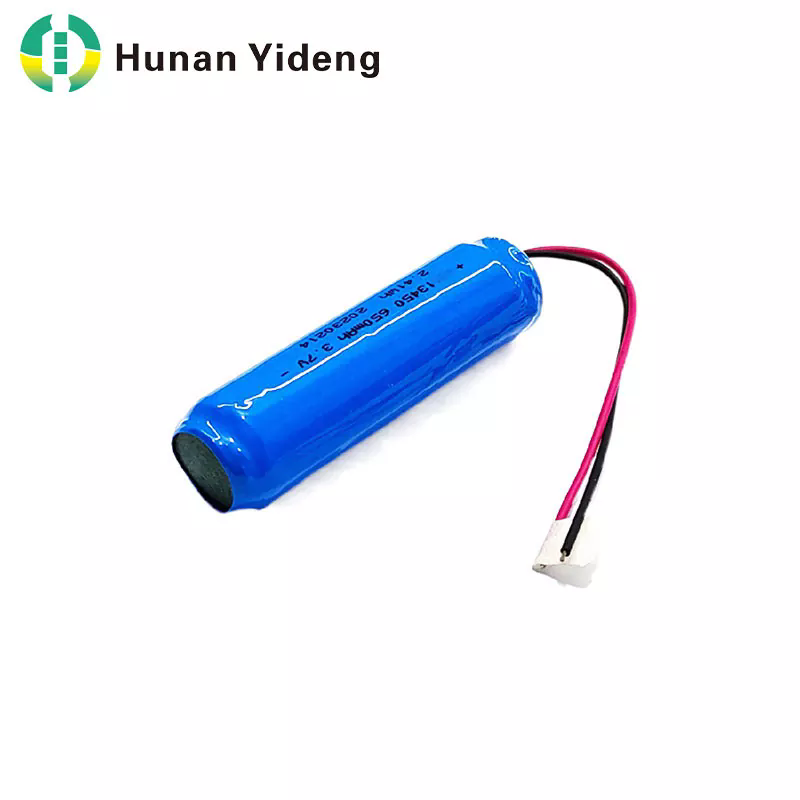
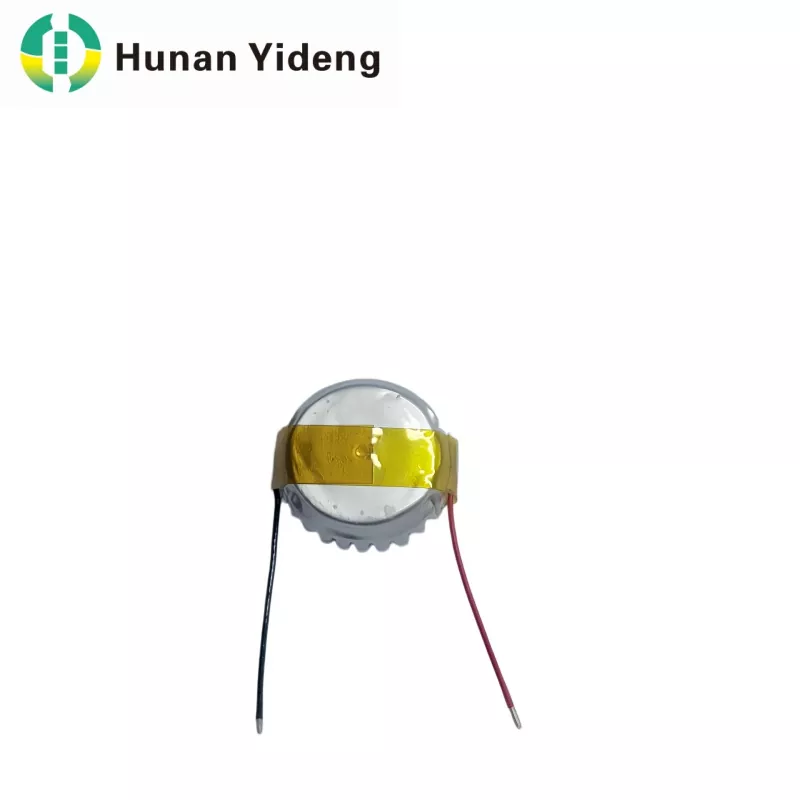
As portable electronics continue to shrink, the Pouch Coin Battery has emerged as a critical power solution for devices that demand both compact size and reliable energy delivery. Yideng, a manufacturer with deep expertise in lithium polymer cells, produces a broad range of pouch coin batteries engineered for real-world performance in wearables, medical sensors, RFID tags, and other space-constrained applications.
Mechanical and Environmental Durability
The aluminum laminated pouch is engineered to resist puncture, moisture ingress, and electrolyte leakage. Each Yideng Pouch Coin Battery undergoes a 100% visual and X-ray inspection to verify tab alignment, electrode stacking, and seal integrity. The pouch edge seal width is maintained at a minimum of 1.5 mm to prevent delamination during thermal cycling.
Standard cells are rated for an operating temperature range of -20°C to +60°C. At -20°C, the discharge capacity retains about 70% of the 25°C value, which is suitable for outdoor sensors and cold chain tracking tags. At 60°C, the cells maintain stable cycling performance if the charge current is reduced to 0.2C. For extended high-temperature operation, Yideng can apply ceramic-coated separators and special electrolyte formulations to push the upper limit to 75°C.
Customization Options for OEM and ODM Projects
Yideng supports full customization of the Pouch Coin Battery to match specific mechanical, electrical, and certification requirements. Available options include:
-
Custom dimensions down to 10 mm × 10 mm and up to 40 mm × 40 mm
-
Custom capacity from 15 mAh to 200 mAh
-
Choice of 4.2 V, 4.35 V, or 4.4 V charge voltage
-
Integrated PCM with MOSFET, fuel gauge, or NTC thermistor
-
Custom connectors, wire lengths, and tab orientation
-
Double-sided adhesive backing for easy assembly
-
UL, CE, CB, and PSE certification packages
Quality Control and Manufacturing
Yideng operates an ISO 9001 and ISO 14001 certified facility with automated electrode coating, stacking, electrolyte filling, and sealing lines. The manufacturing process includes a 48-hour aging period at 45°C to stabilize the solid electrolyte interphase, followed by a full charge-discharge formation cycle. Each cell is then sorted by capacity, internal resistance, and self-discharge rate using high-precision testers. Final packing includes a moisture barrier bag and desiccant to maintain shelf life during transport.
FAQ
Q: What is the difference between a Pouch Coin Battery and a standard CR2032 coin cell?
A: A standard CR2032 is a primary lithium manganese dioxide battery that is non-rechargeable, has a nominal voltage of 3.0 V, and exhibits high internal resistance that limits pulse current. A Pouch Coin Battery from Yideng is a rechargeable lithium-ion cell with a nominal voltage of 3.7 V, much lower internal resistance, and the ability to deliver higher continuous and pulse currents. The rechargeable design reduces replacement cost and waste.
Q: How do I choose the right capacity for my device?
A: Start by calculating the average current consumption of your device in milliamps and multiply by the desired operating time in hours. For example, if your BLE sensor consumes an average of 2 mA and must run for 48 hours, the required capacity is 96 mAh. Then apply a safety factor of 1.2 to 1.5 to account for temperature effects, aging, and discharge inefficiency.
Q: What is the shelf life?
A: The recommended storage condition is 25°C ± 5°C with 45% to 75% relative humidity. If the cell is stored at 50% to 60% state of charge, the capacity loss is typically less than 5% after 6 months. The cell should be recharged to 3.8 V every 6 months to prevent deep discharge.
Q: Does the Battery require a protection circuit module?
A: For most consumer and industrial applications, a protection circuit module is strongly recommended. The PCM protects against overcharge, over-discharge, short circuit, and overcurrent conditions. Without a PCM, the cell can be permanently damaged if discharged below 2.5 V or charged above the specified voltage.
Q: What certifications do Yideng products hold?
A: Standard models are certified to IEC 62133, UN 38.3, and UL 1642. IEC 62133 covers safety requirements for portable sealed secondary cells, including electrical, mechanical, and environmental tests. UN 38.3 covers transportation safety for lithium batteries, including altitude simulation, thermal test, vibration, shock, external short circuit, impact, overcharge, and forced discharge. UL 1642 is a North American standard for lithium cells.