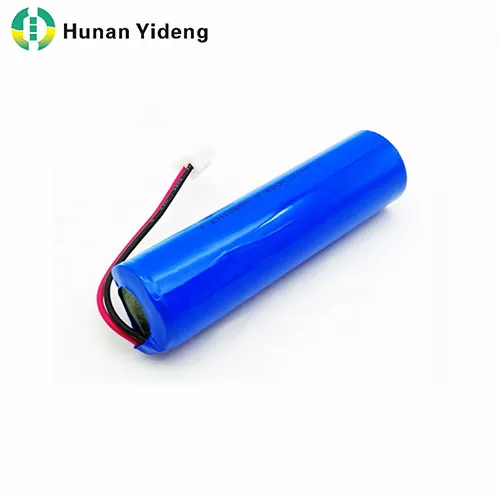
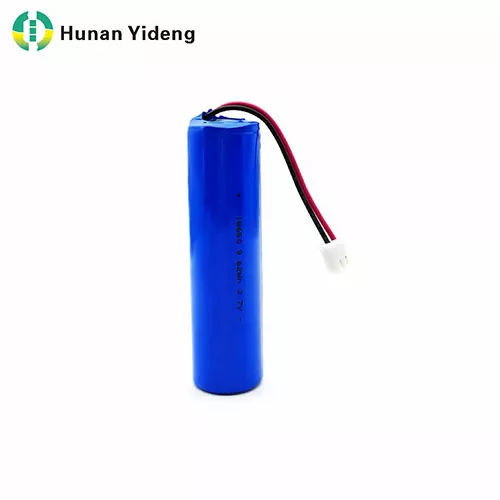
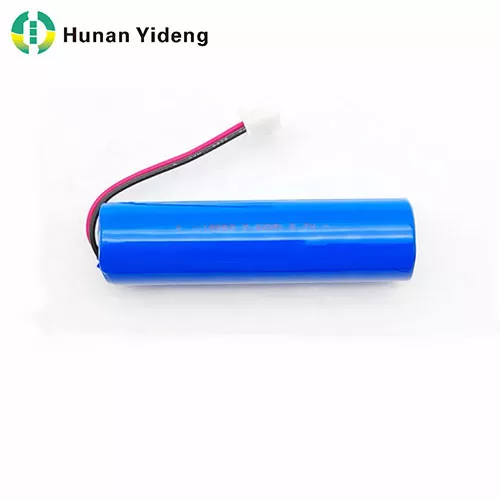
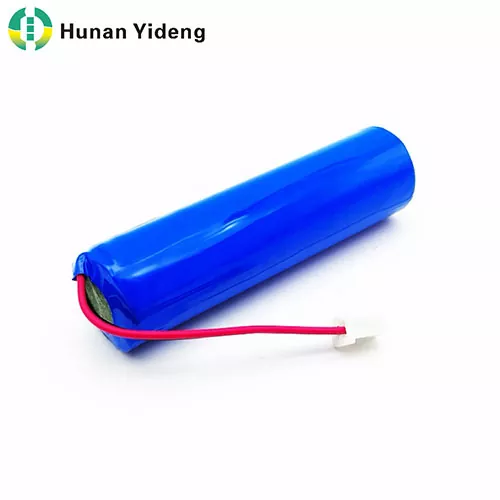
18650 3.7V 2600mAh Rechargeable Lithium Ion Battery
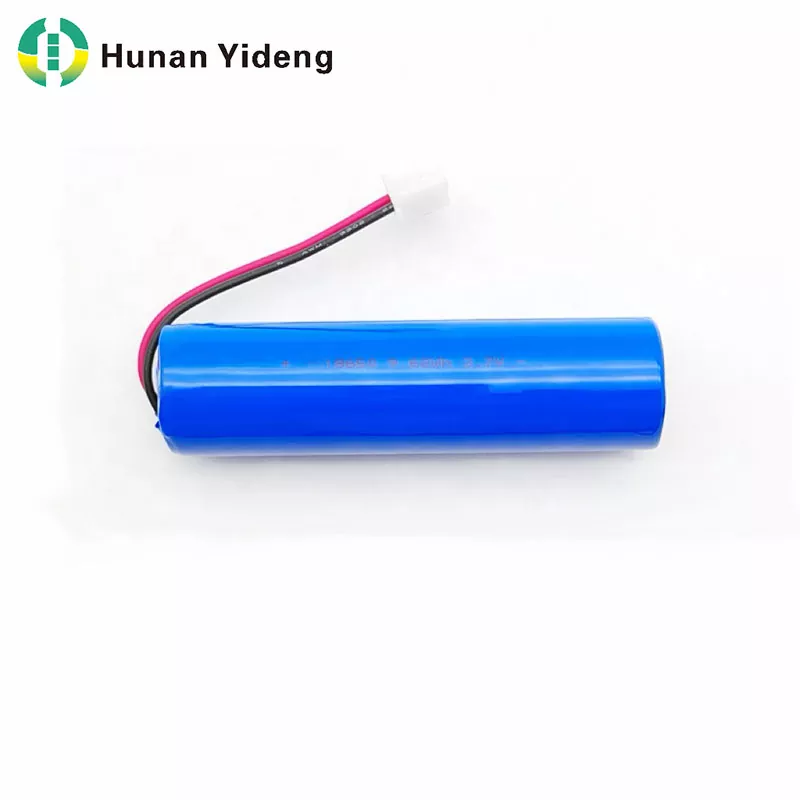
Yideng supplies 18650 3.7V 2600mAh Rechargeable Lithium Ion Battery with stable capacity, low internal resistance and consistent performance for battery pack applications. Featuring standard 18650 dimensions, advanced safety protection and full production traceability, this cylindrical Li-ion cell is suitable for global manufacturers requiring reliable battery supply and customized pack solutions.
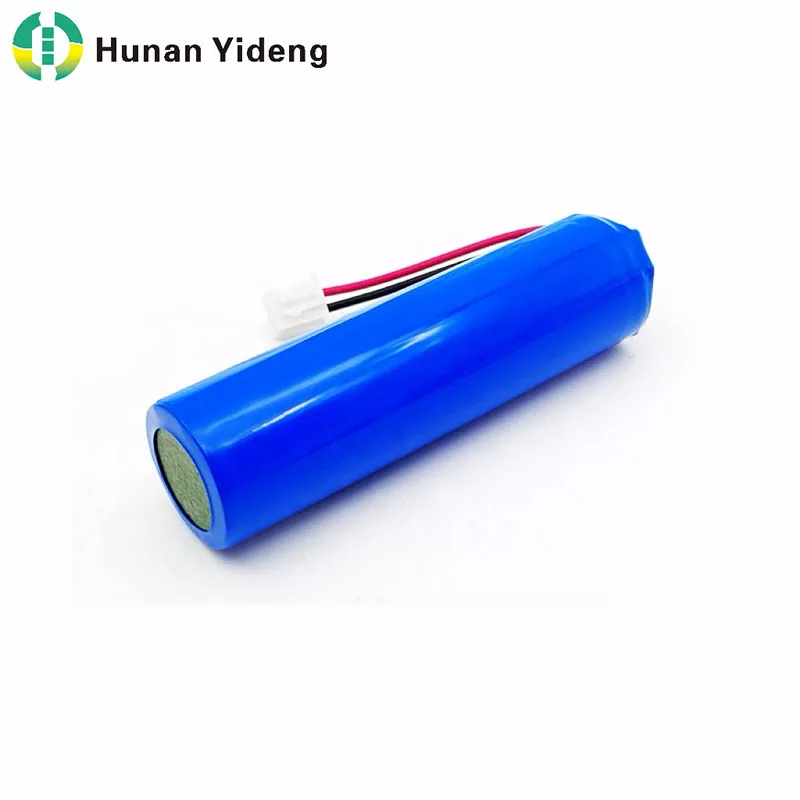
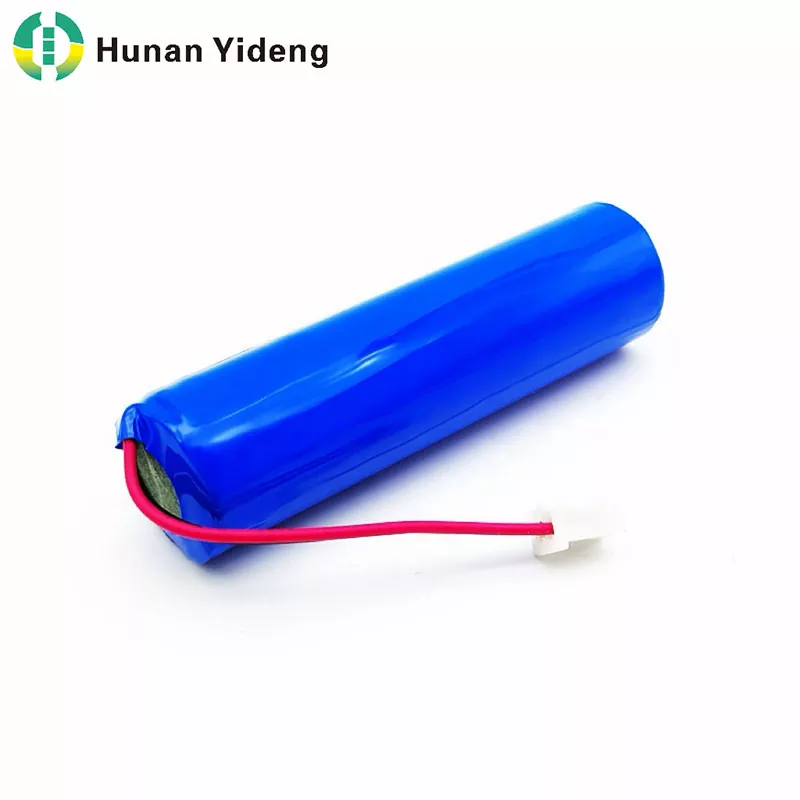
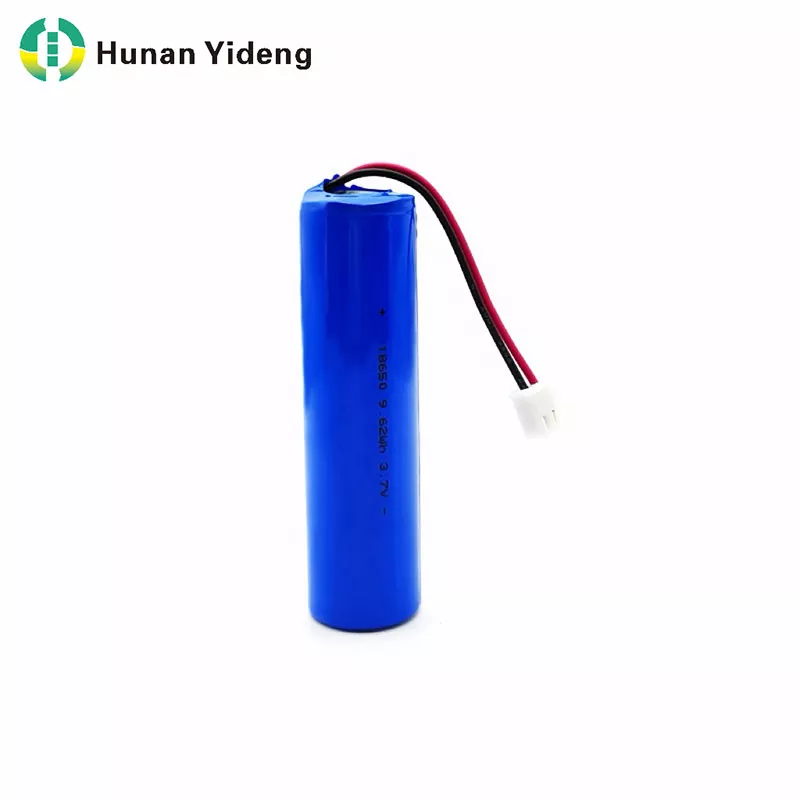
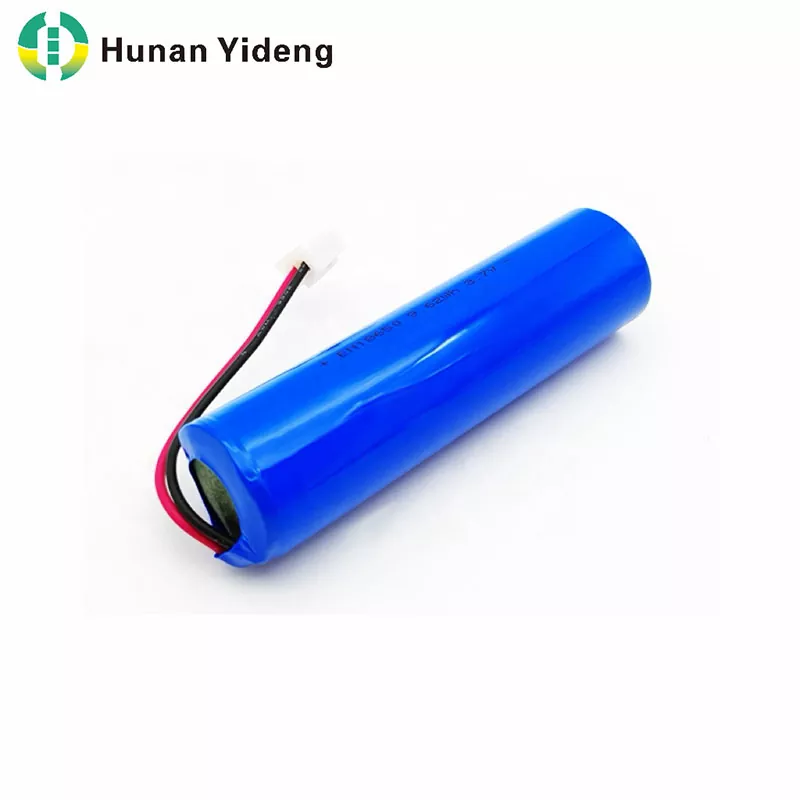
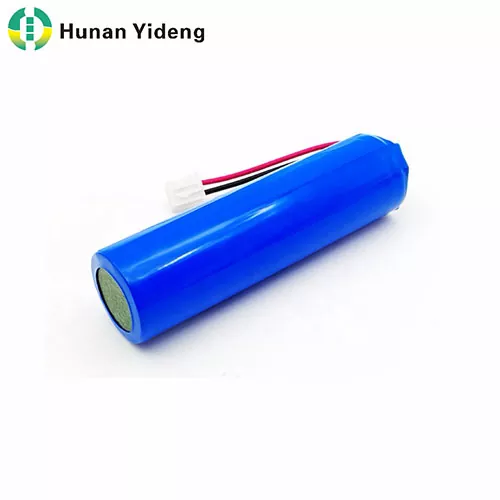
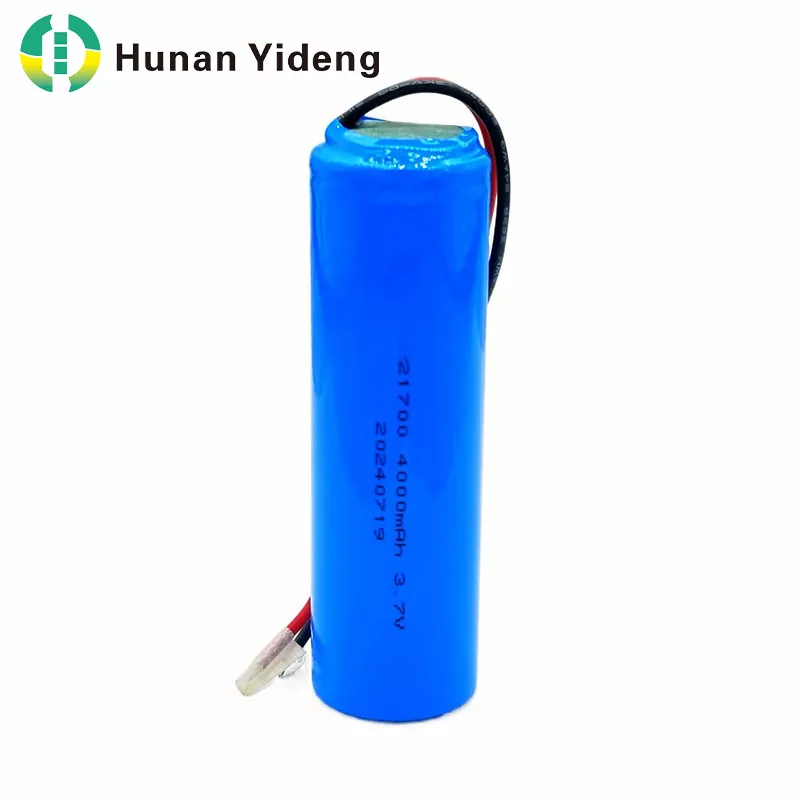
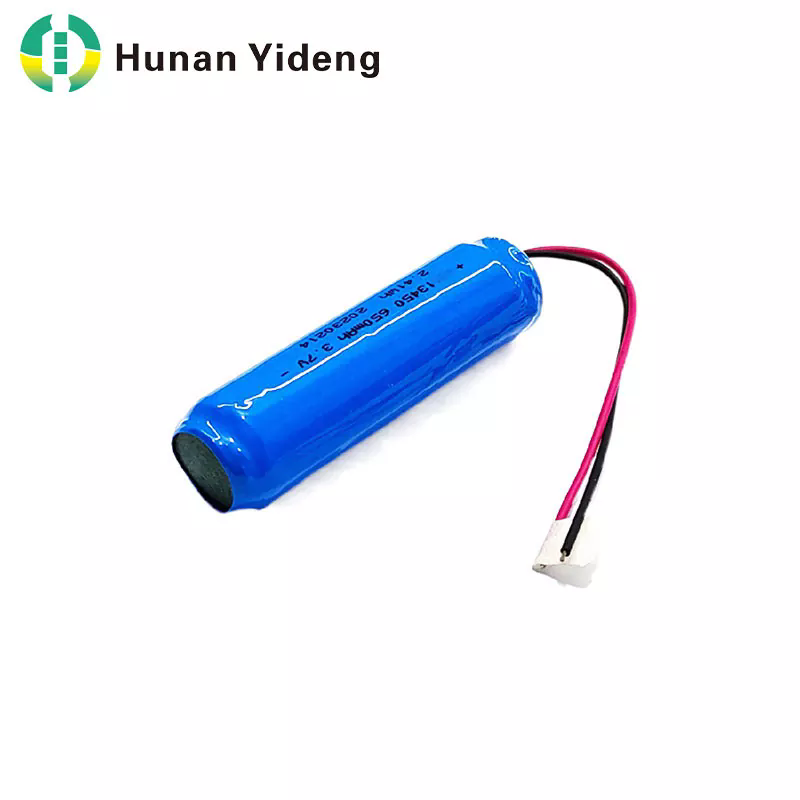
The 18650 3.7V 2600mAh Rechargeable Lithium Ion Battery is a standard cylindrical cell designed for applications requiring dependable energy output, long service life and easy integration into battery packs.
With a diameter of approximately 18mm, height of 65mm, and weight of around 47g, this cell follows the widely adopted 18650 format, making it compatible with most standard battery holders and pack designs.
Using NCA cathode chemistry and graphite anode material, the cell achieves a balanced combination of capacity, discharge capability and cycle stability. Its internal resistance below 18mΩ helps reduce heat generation during operation and improves overall energy efficiency.
Balanced Performance for Everyday Power Applications
The 18650 3.7V 2600mAh Rechargeable Lithium Ion Battery is designed for practical applications where reliability matters more than extreme performance.
Its performance advantages include:
- 3.7V nominal voltage
- 2600mAh rated capacity
- Low internal resistance ≤ 18mΩ
- Maximum continuous discharge current up to 7.8A
- Capacity retention above 80% after 300 cycles
- Operating temperature range from -20°C to +60°C
The balanced electrical characteristics make it suitable for daily charge and discharge cycles in portable equipment and battery pack systems.
Standard 18650 Format for Easy Integration
The 18650 form factor remains one of the most widely used cylindrical battery standards worldwide.
With controlled dimensional tolerance:
- Diameter: 18.0 – 18.3mm
- Height: 65.0 – 65.2mm
The cell can be easily integrated into existing battery holders and pack structures.
For battery pack manufacturers, consistent size and voltage performance help simplify assembly processes and improve production efficiency.
Safety Structure & Protection Design
Safety is a key consideration for cylindrical lithium-ion cells.
The 18650 3.7V 2600mAh Rechargeable Lithium Ion Battery integrates multiple protection structures inside the cell design:
- PTC protection: Limits current increase under abnormal temperature conditions
- CID protection: Disconnects internal current flow under excessive pressure
- Vent valve: Releases internal gas pressure safely
These independent safety mechanisms work together to improve reliability during charging, discharging and storage.
Product Specifications
Item
Specification
Model
18650
Material
Li-ion Polymer Battery
Normal Capacity (0.2C)
2600mAh
Minimum Capacity (0.2C)
2600mAh
Energy
9.62Wh
Normal Voltage
11.1V
Delivery Voltage
3.7V ~ 4.2V
Standard Charge Method
Charge at maximum current. When the battery or pack terminal voltage reaches the charging limit voltage, charge at constant voltage until the charging current is less than or equal to 0.02 C, then stop charging.
Discharge Program
The battery or the battery pack carries on the constant current discharge with the maximum discharge current to the discharge termination voltage.
Max Charging Current
1C CC/CV → 0.02C cutoff
Max Discharging Current
1C CC/CV → 3.0V cutoff
Over-Discharging Current
3.0V
Operation Temperature Range
Charging: 0°C ~ 50°C
Discharging: -20°C ~ 60°C
Allowable Maximum Surface Temperature
Charging: Tmax ≤ 50°C
Discharging: Tmax ≤ 60°C
Storage T/H Range (time)
-20°C ~ 60°C (Less than 1 month)
-20°C ~ 45°C (Less than 3 months)
-20°C ~ 25°C (Less than 1 year)
Cycle Life
≥ 300 times (Thickness expansion rate ≤ 10%)
≥ 500 times (Thickness expansion rate ≤ 12%)
Battery Testing & Quality Verification
Each Yideng 18650 cell undergoes multiple inspection procedures before shipment to ensure electrical consistency, safety performance and batch reliability.
Testing includes open-circuit voltage inspection, internal resistance screening, capacity testing, self-discharge evaluation, overcharge testing, external short-circuit testing, thermal shock testing and vibration testing. Cells that exceed internal quality limits are removed before packaging.
Each battery is marked with a laser-etched traceability code, allowing engineers to check production records, material batches and testing information throughout the product lifecycle.
Battery Pack Applications
The 18650 2600mAh lithium-ion cell is widely used in portable and low-to-medium power applications where stable energy supply is required.
For portable lighting products, this battery provides reliable power for flashlights, outdoor lamps and emergency lighting systems.
For consumer electronic devices, the stable discharge performance makes it suitable for products such as portable speakers, digital devices and compact electronic equipment.
For small power tools and household devices, the 7.8A continuous discharge capability supports applications including handheld tools, mini vacuum cleaners and other equipment requiring short-duration power output.
For energy storage applications, the cell can be integrated into small-scale storage products such as solar lighting systems and backup power devices.
For high-power applications such as electric vehicles or heavy-duty tools, customers should select higher-discharge battery models designed specifically for those requirements.
Battery Testing
This 18650 3.7V 2600mAh Rechargeable Lithium Ion Battery goes through seven tests before shipping.
1. Open-circuit voltage and internal resistance. Any cell with voltage deviation over ±0.03V gets rejected. Anything above 20mΩ goes back to the previous station.
2. 0.5C charge-discharge capacity. Cells below 2550mAh do not ship.
3. Self-discharge. Cells sit at 45°C for seven days. We record voltage drop daily. Any cell losing more than 3% per month is out.
4. Overcharge. We pump 1C up to 10V. No fire and no explosion. That is the pass mark.
5. External short circuit. Positive and negative touch directly. Surface temperature rise must stay under 150°C.
6. Thermal shock. Cells go into a 130°C oven for 30 minutes. No leakage. No cracking.
7. Vibration. We shake them to simulate truck rides. Voltage fluctuation has to stay within a normal band.
Every cell has its own record. Scan the laser code on the side and you get all seven test results. We use UL1642 and IEC62133 as references. But our internal limits are tighter than those standards.
FAQ
Q1: Can I charge above 4.2V?
A1: No. The limit is 4.2V. If you push past 4.25V and the protection circuit does not trip, the CID opens and the cell is disposal.
Q2: What is the cut-off voltage?
A2: We recommend 2.75V. Going below 2.5V does not add much usable capacity but starts damaging the cathode. Long-term over-discharge leads to internal shorts.
Q3: Can I mix old and new cells?
A3: Do not do it. Different capacities and self-discharge rates cause some cells to overcharge and others to over-discharge in series or parallel. Pack life drops fast.
Q4: Can I use cells after long storage?
A4: If they have sat for more than six months, run a full charge-discharge cycle before use. For long storage, keep charge at about 50% and store below 25°C.
Q5: Flat top or button top?
A5: This is flat top. Button top requires a separate custom order.
Q6: Can this ship by courier?
A6: Yes. UN38.3 is done. Road, sea, and air shipping both work. We attach MSDS and transport classification reports with every shipment.
Hot Tags: China 18650 3.7V 2600mAh Rechargeable Lithium Ion Battery Manufacturer, Supplier, Factory
Contact Yideng for customized lithium battery solutions, OEM manufacturing and factory direct prices. Submit your requirements today and receive professional support, competitive quotations and technical assistance.
We use cookies to offer you a better browsing experience, analyze site traffic and personalize content. By using this site, you agree to our use of cookies.Privacy Policy